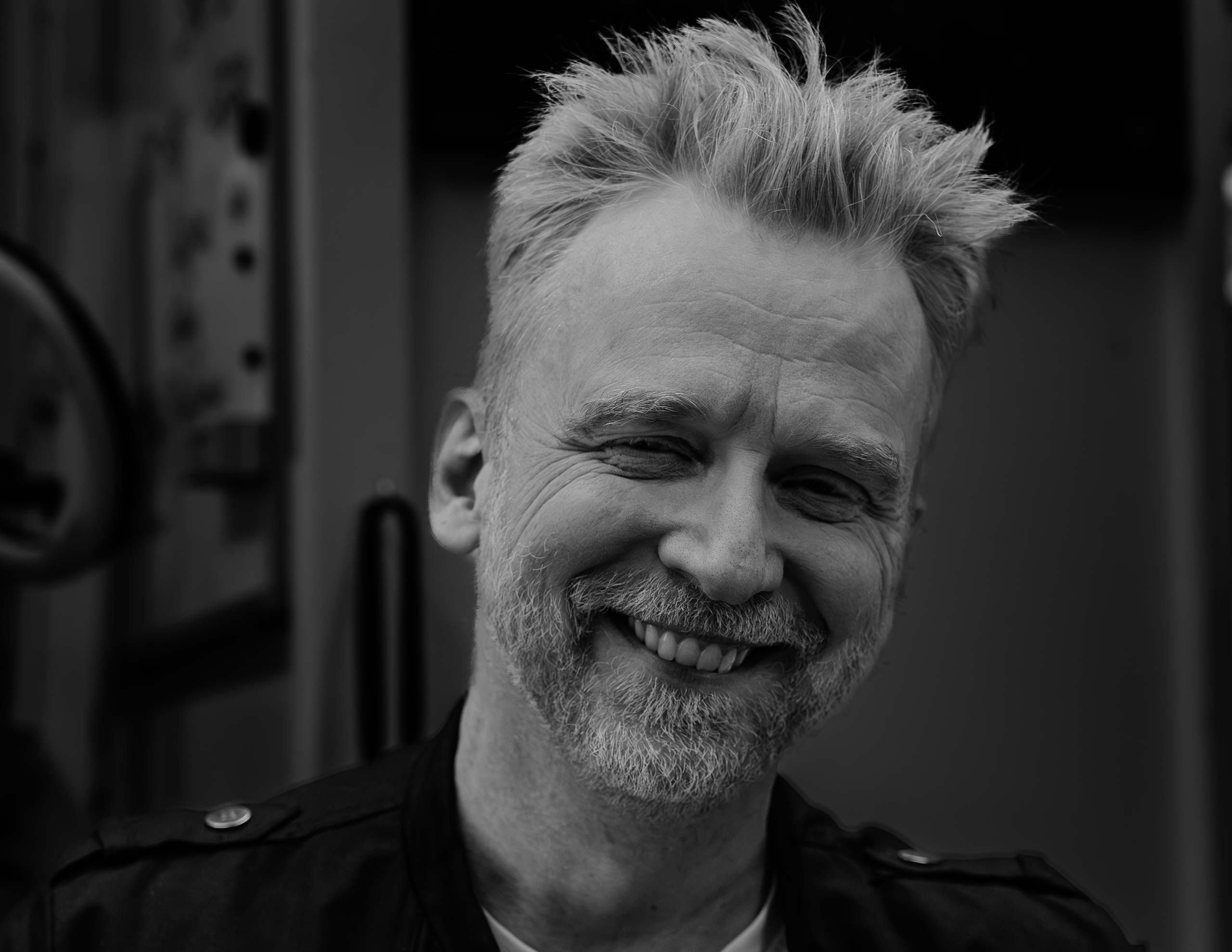
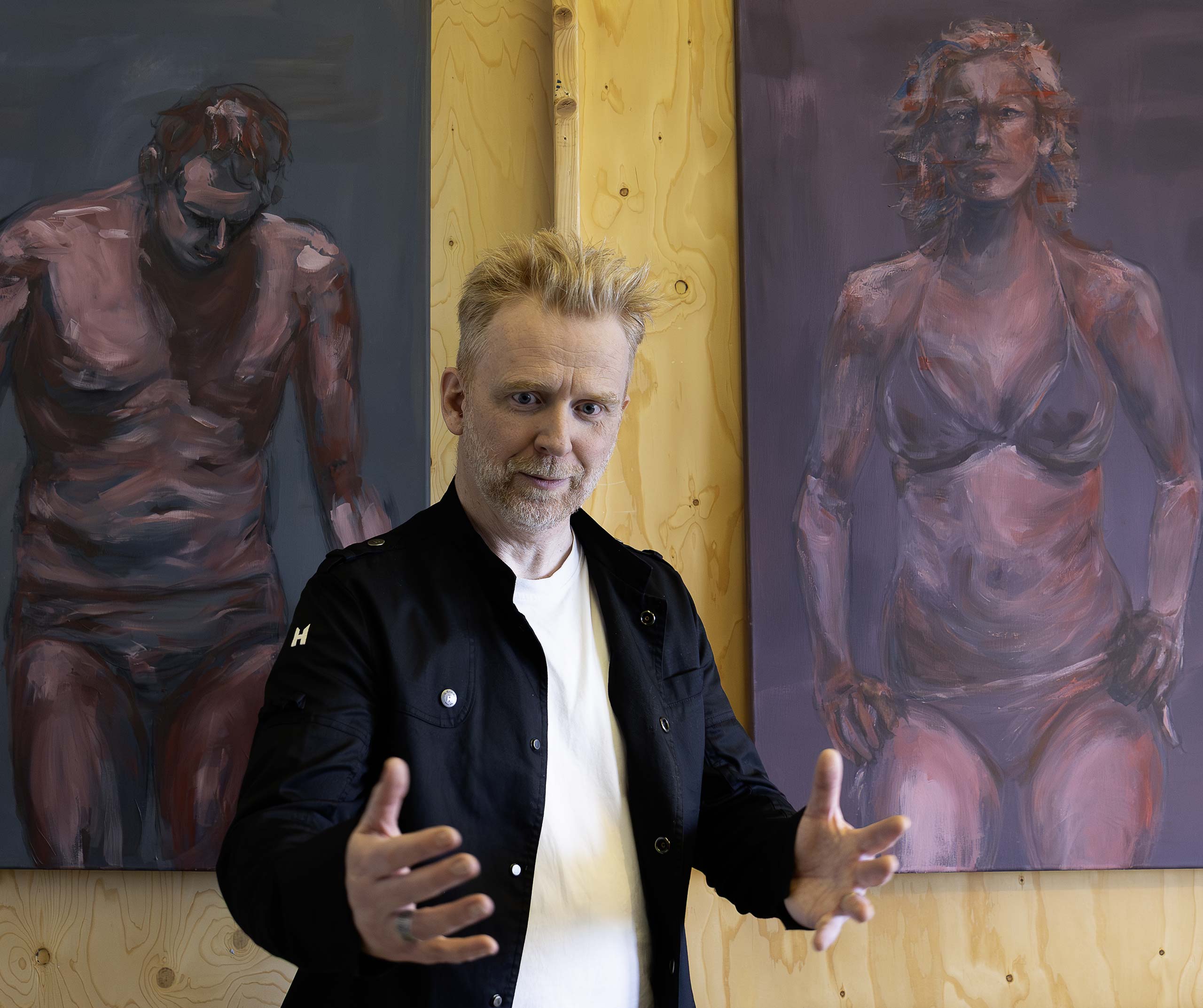
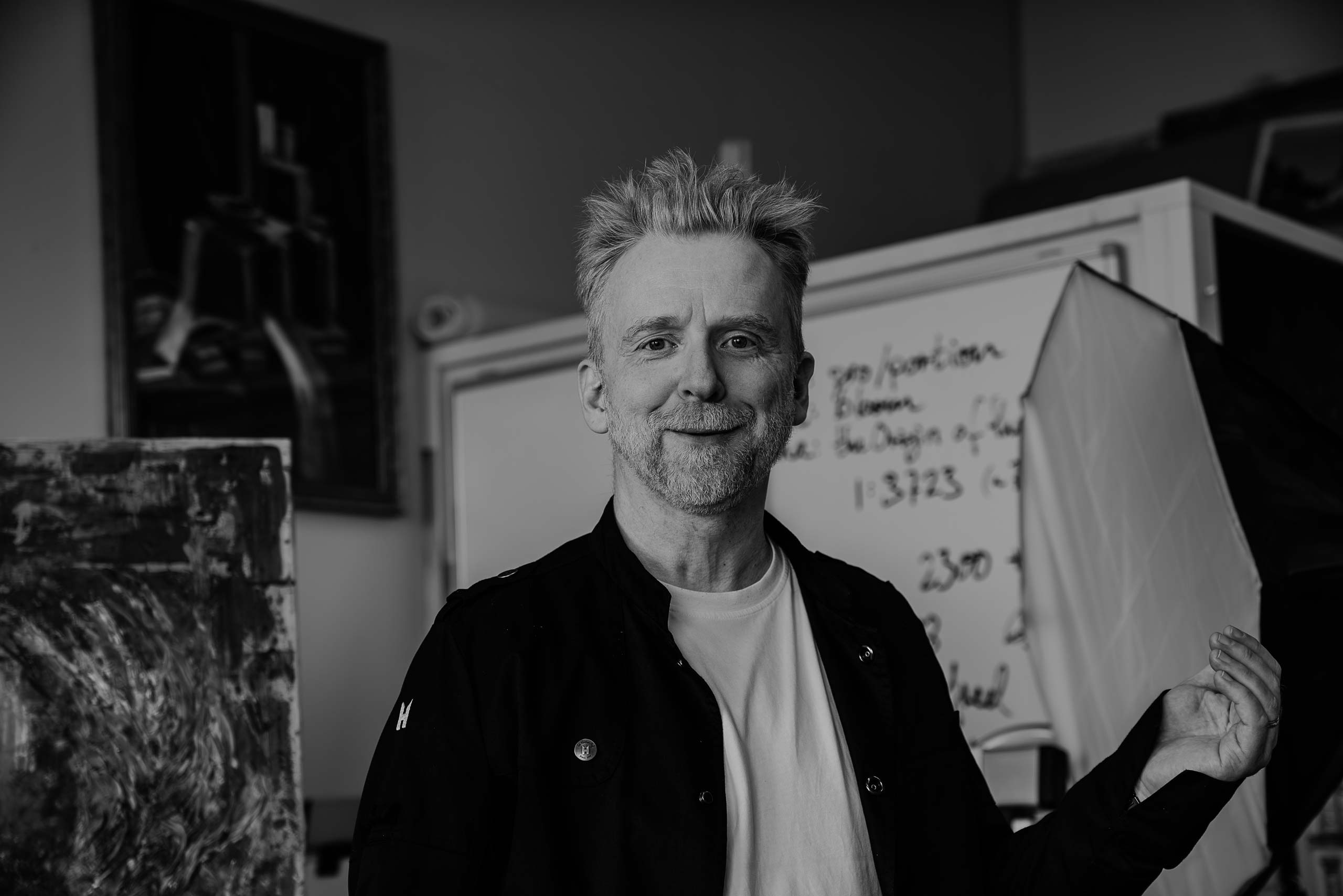
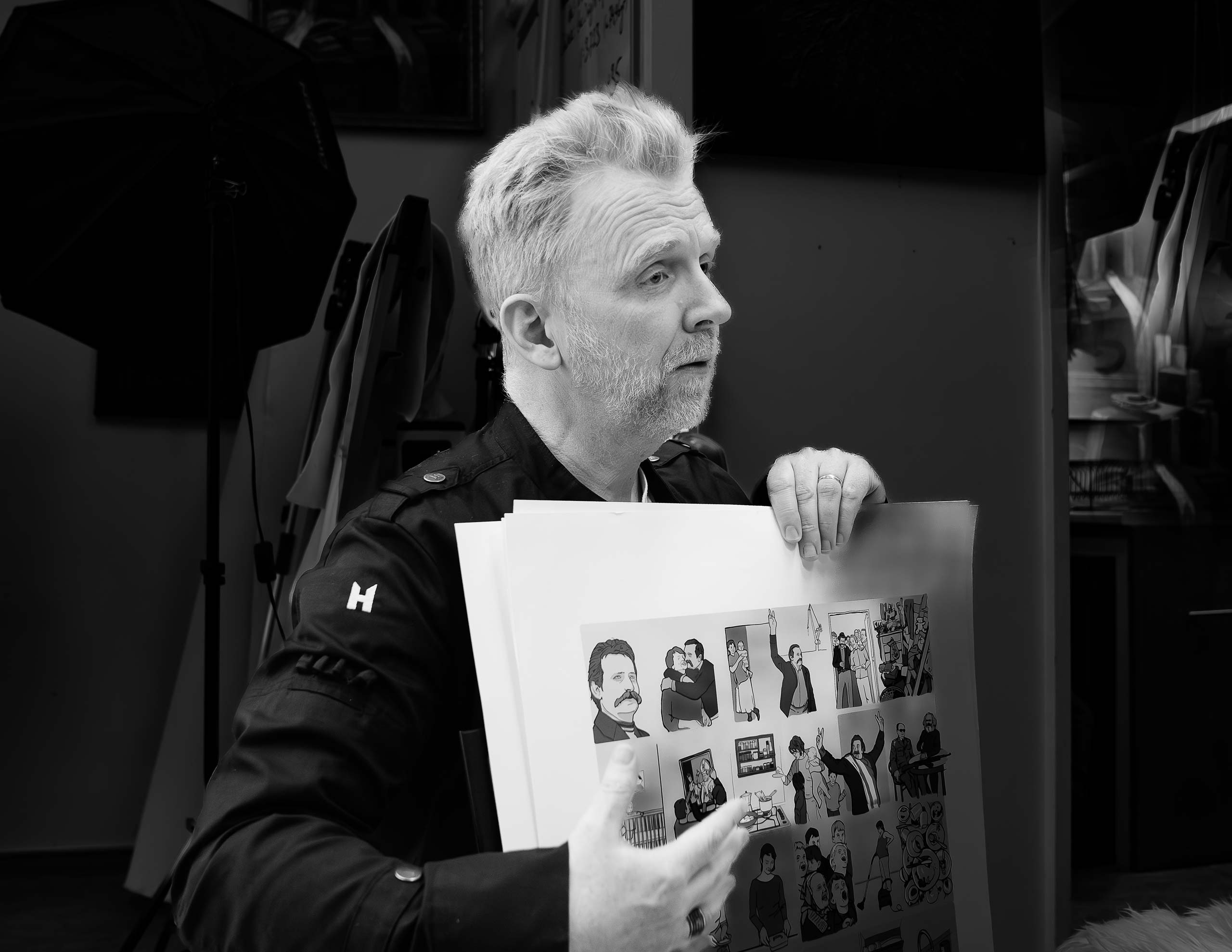
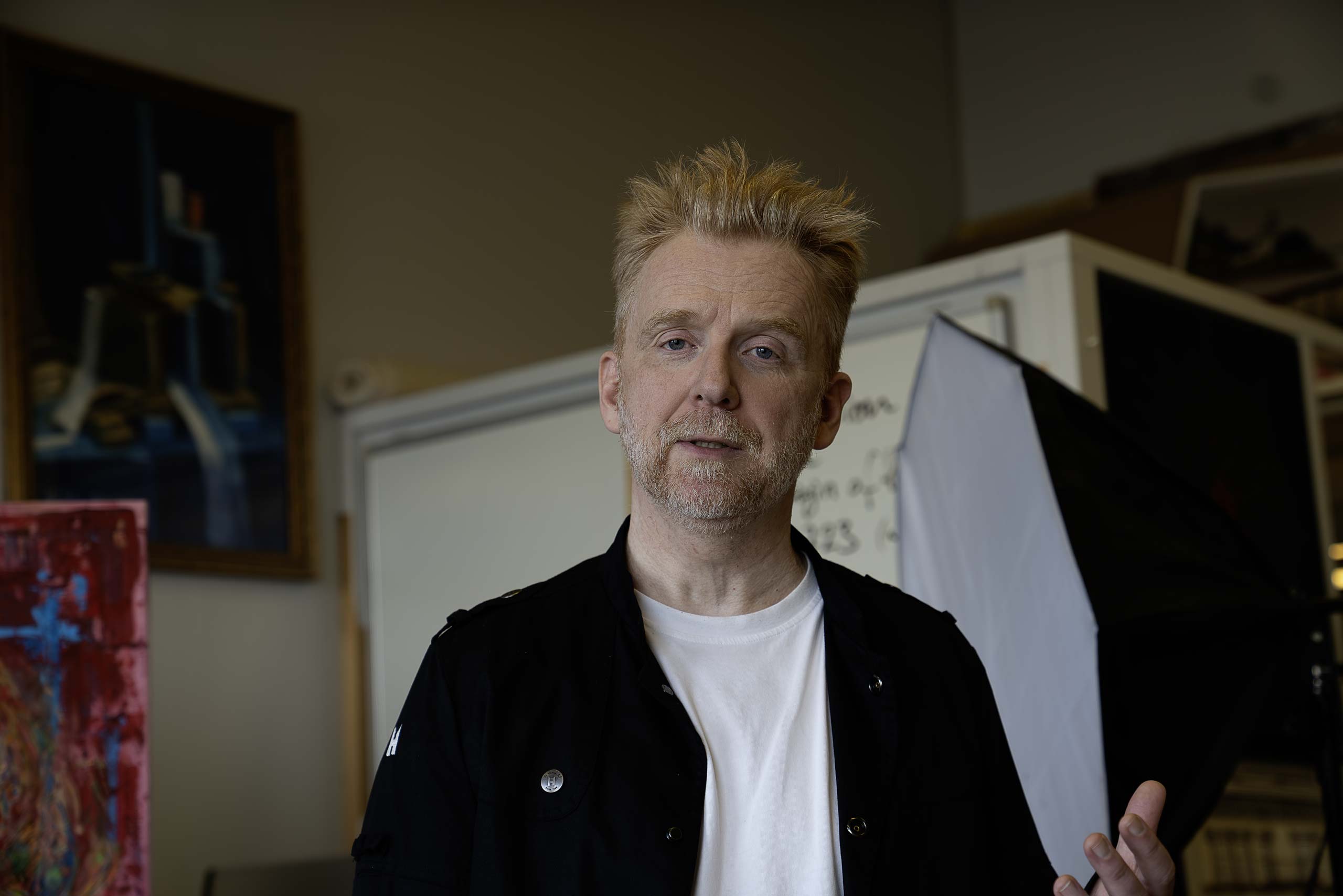
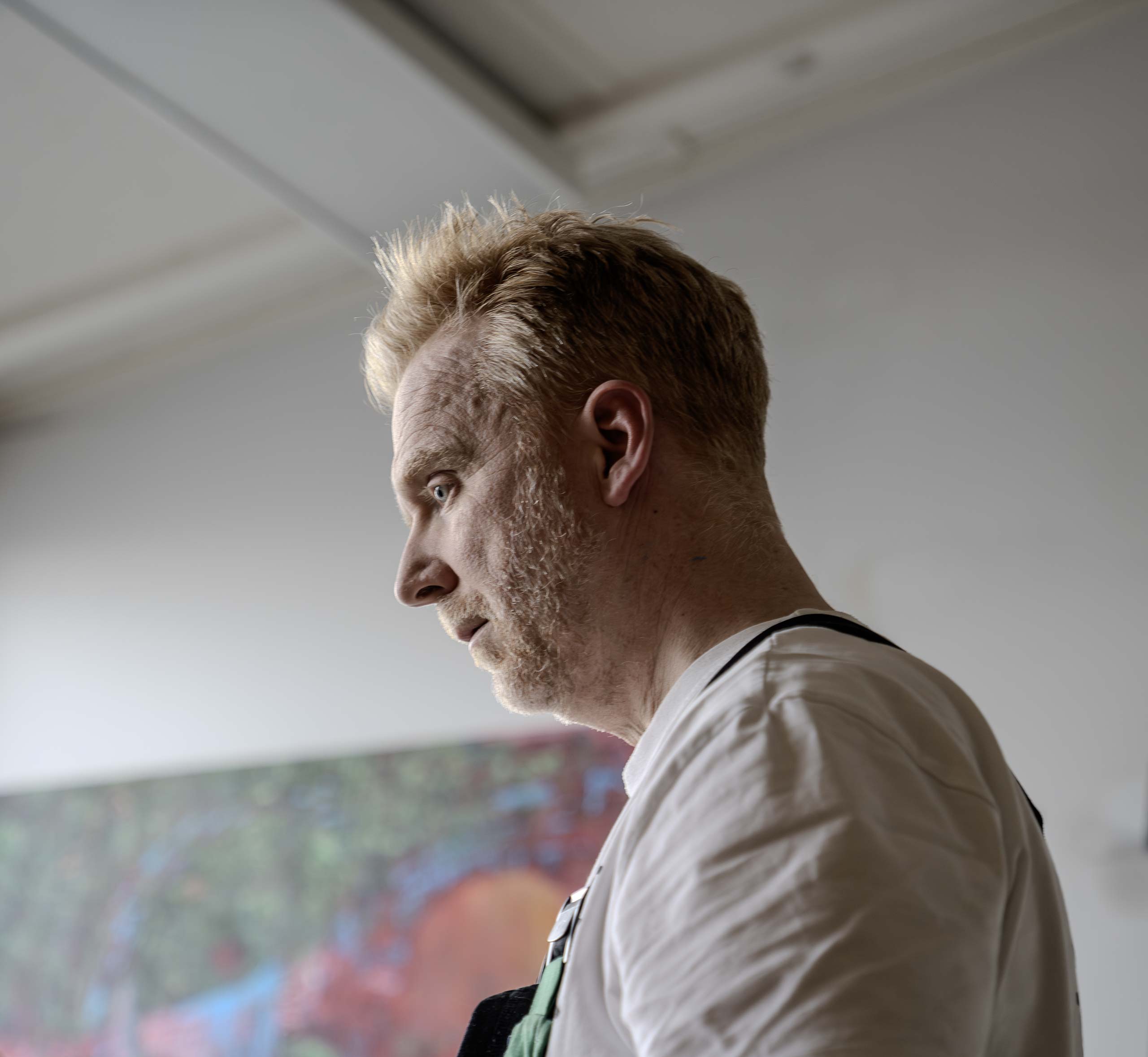
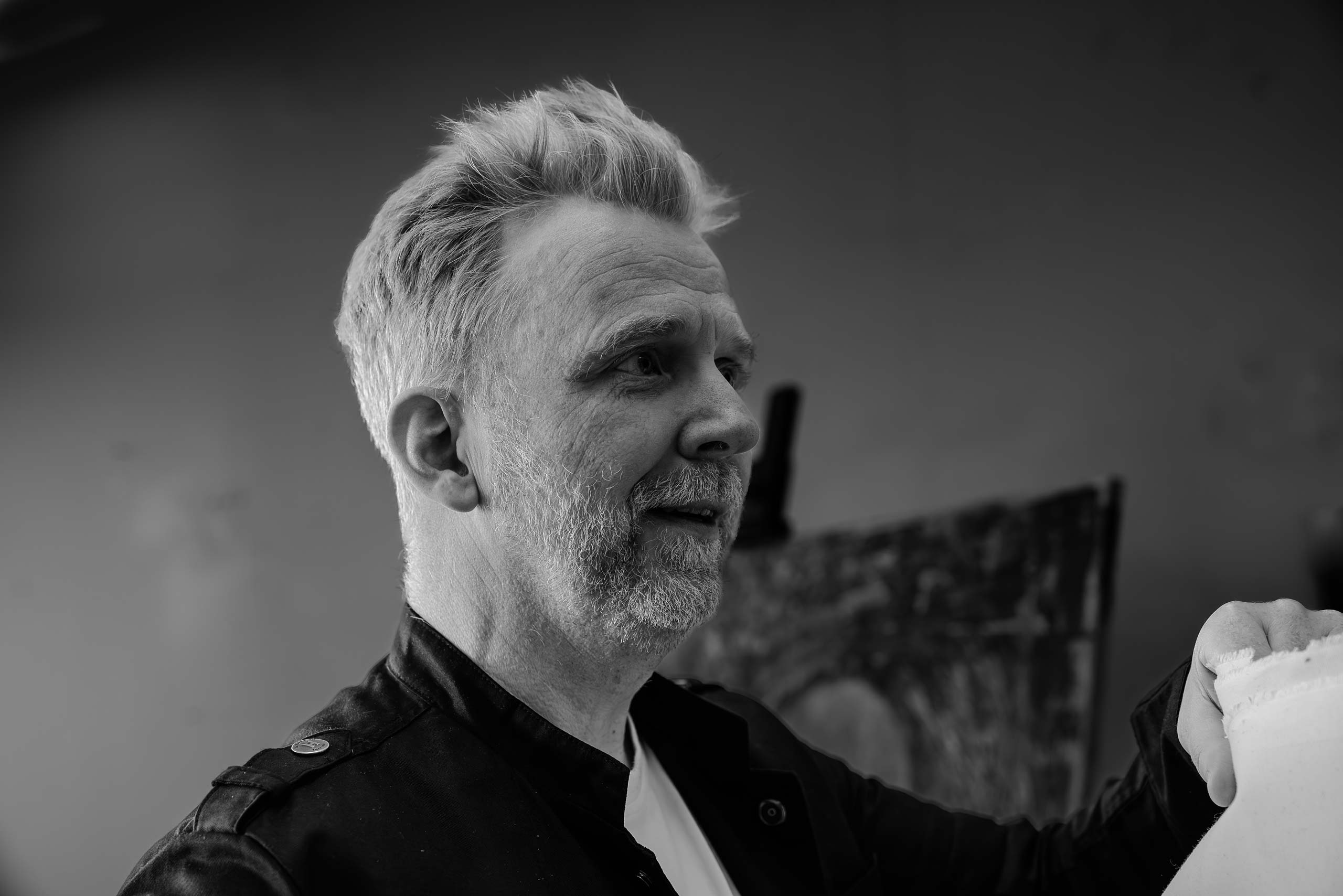
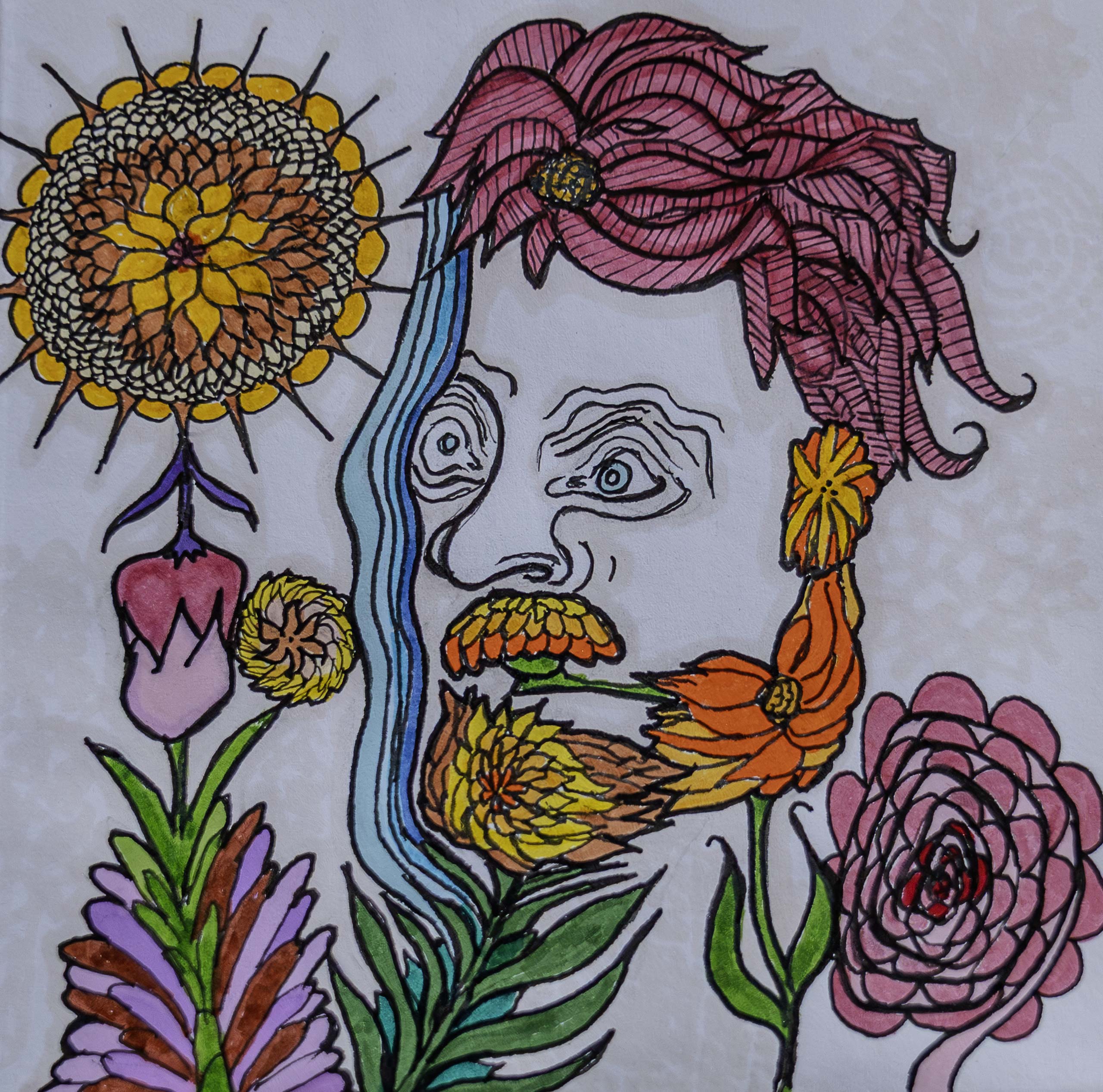
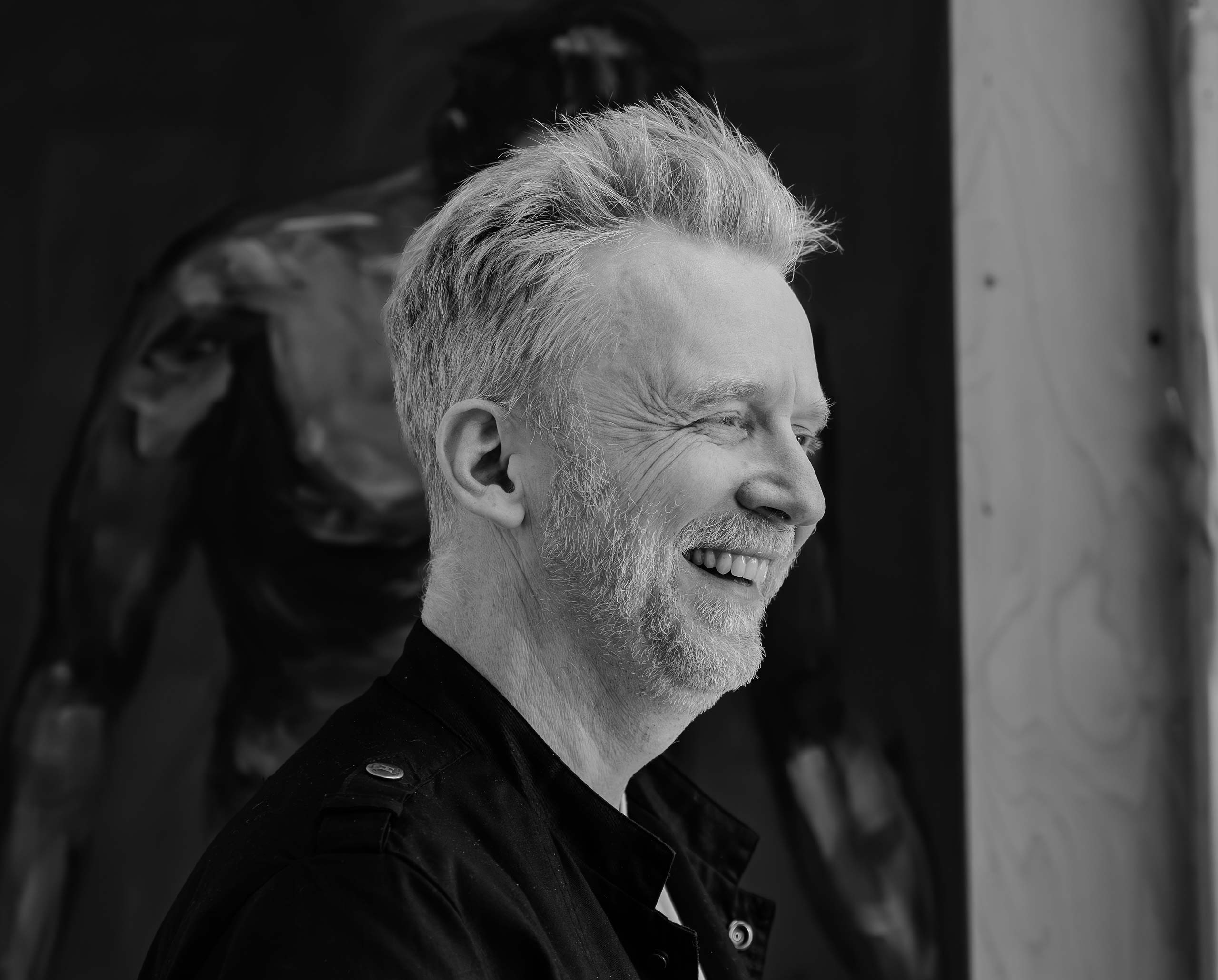
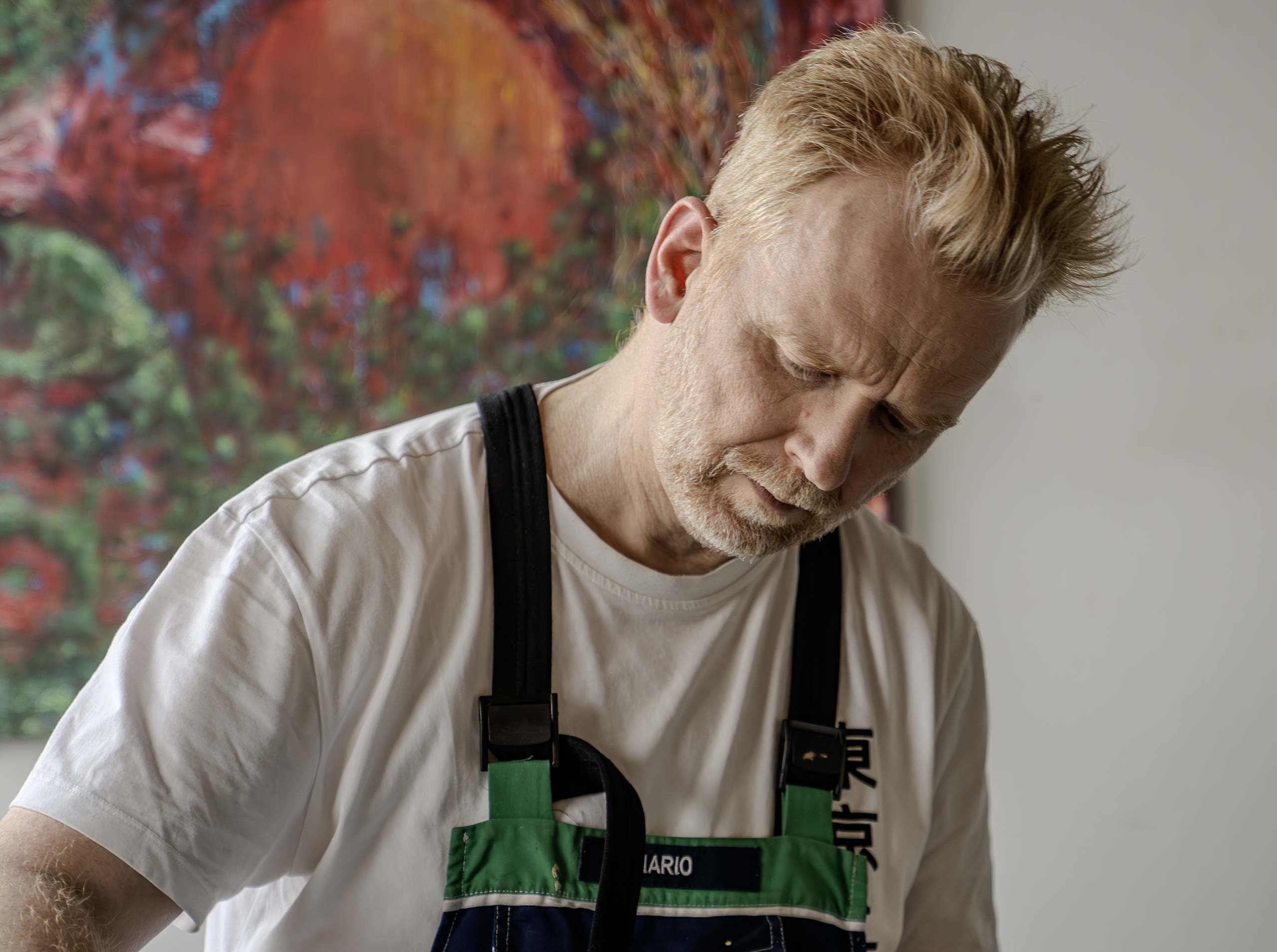
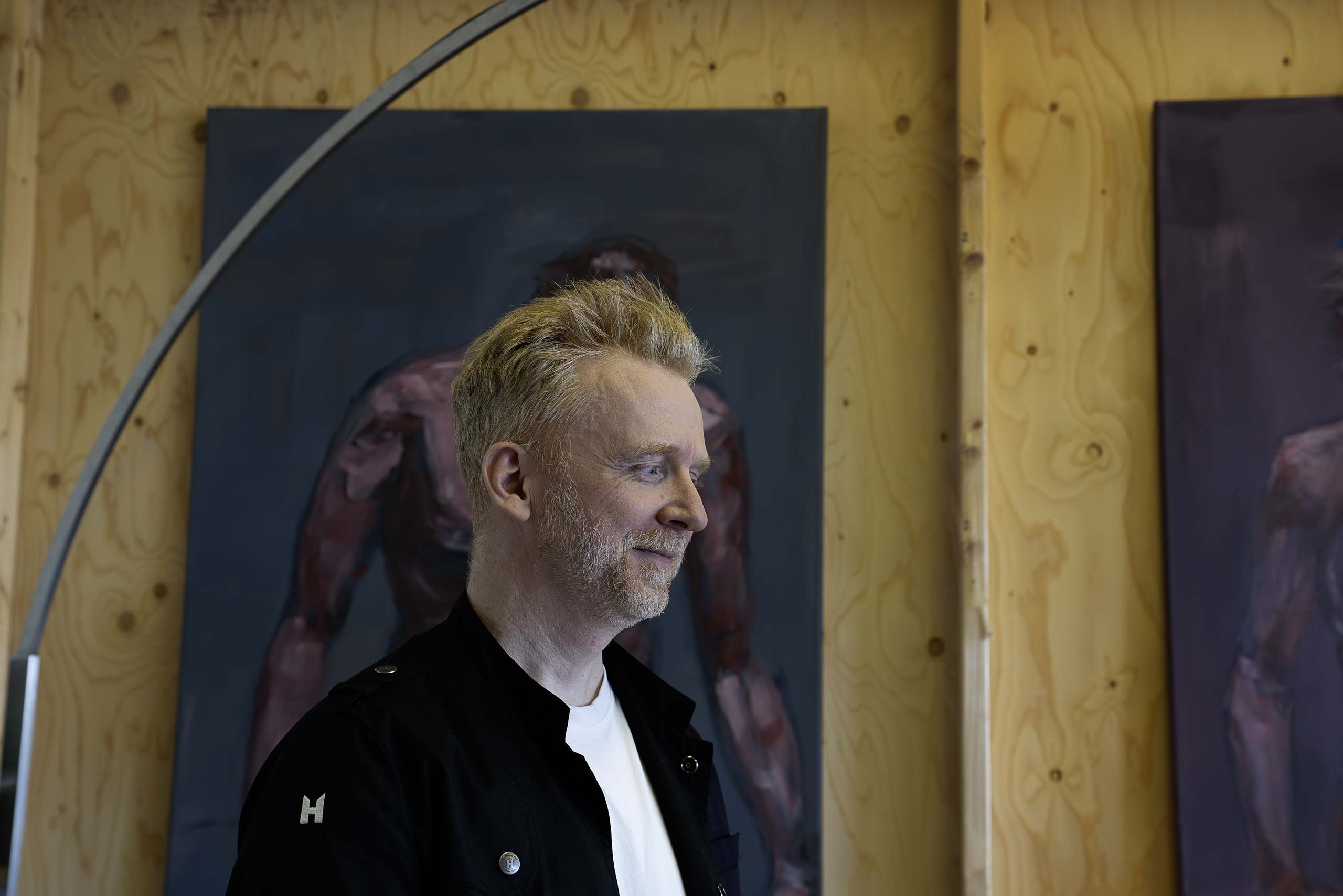
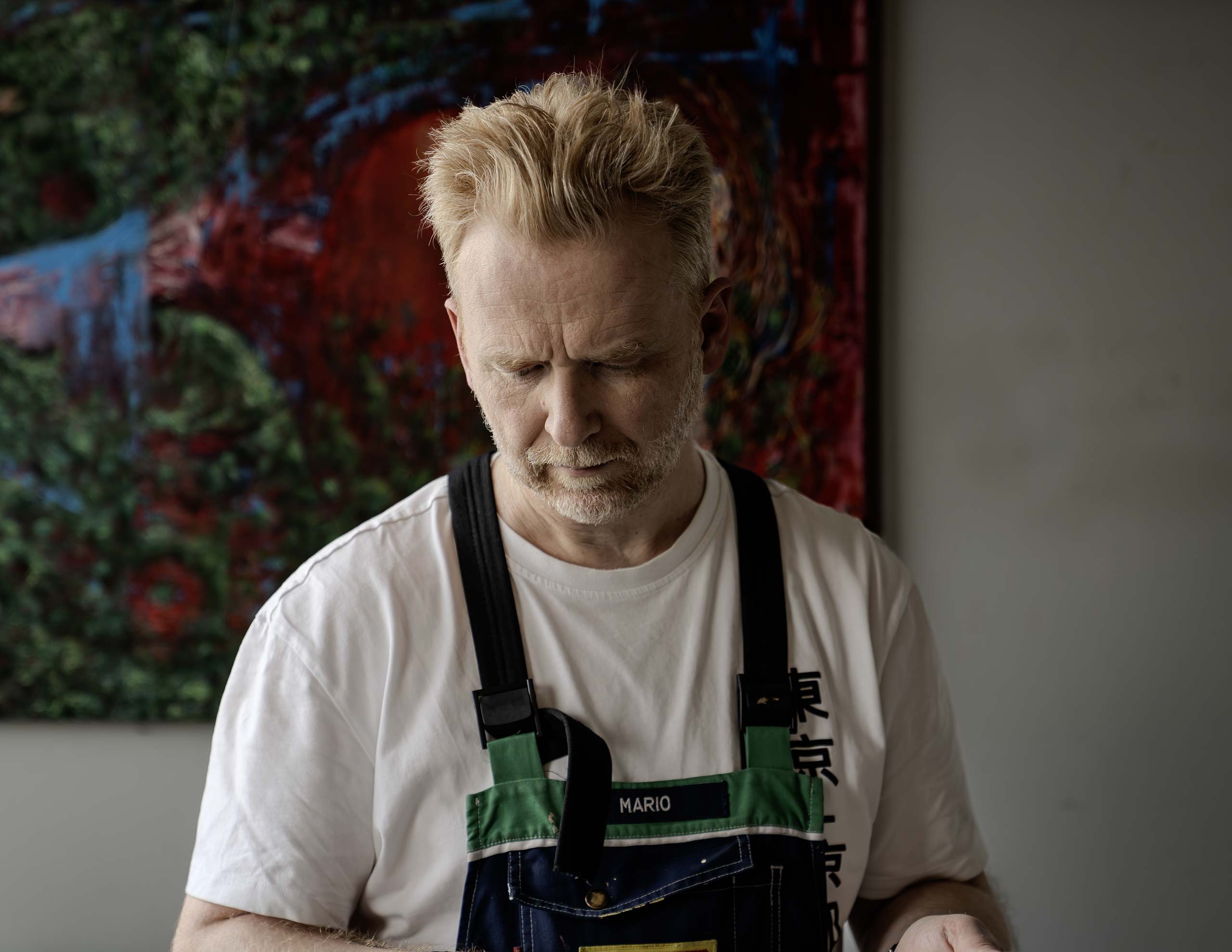
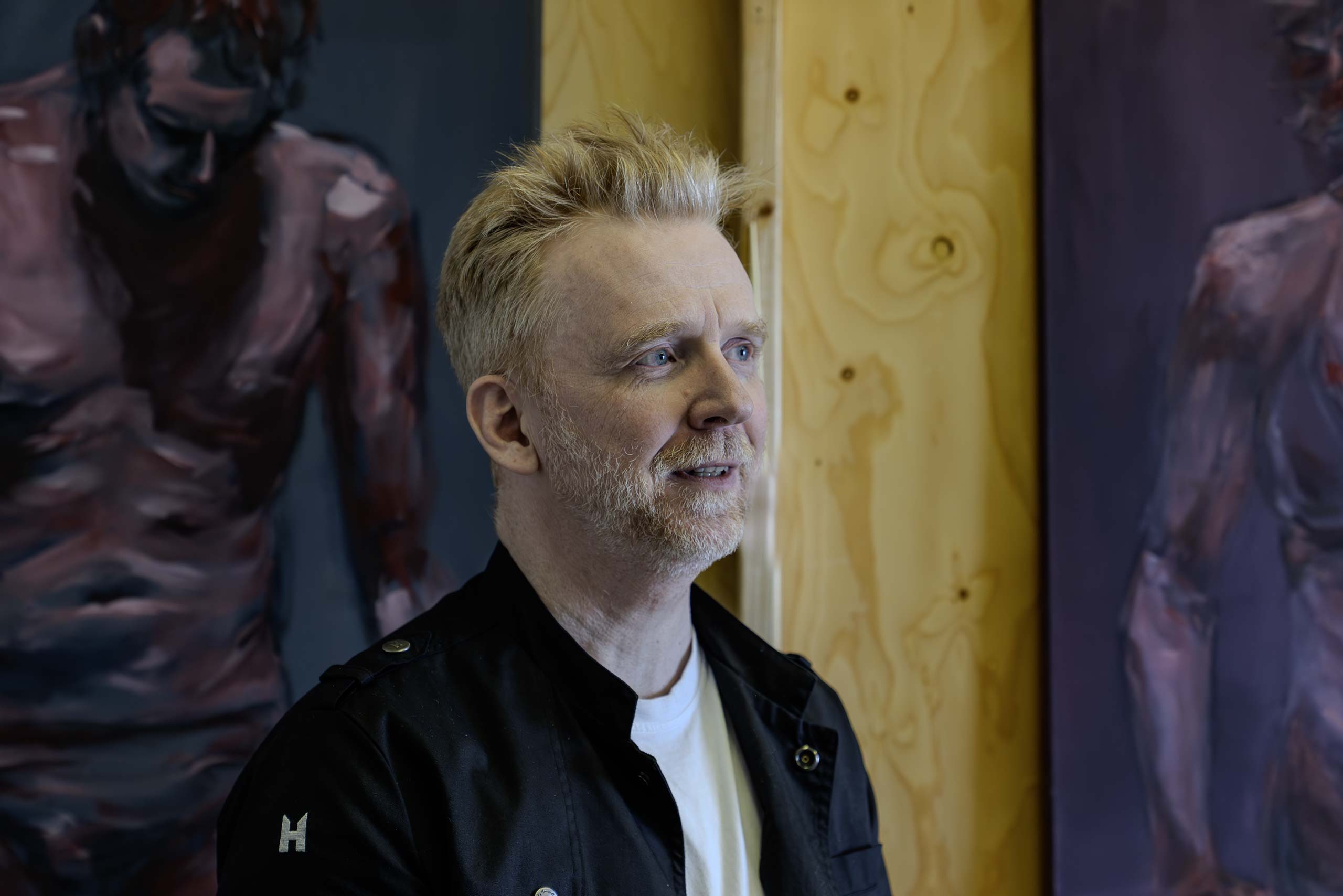
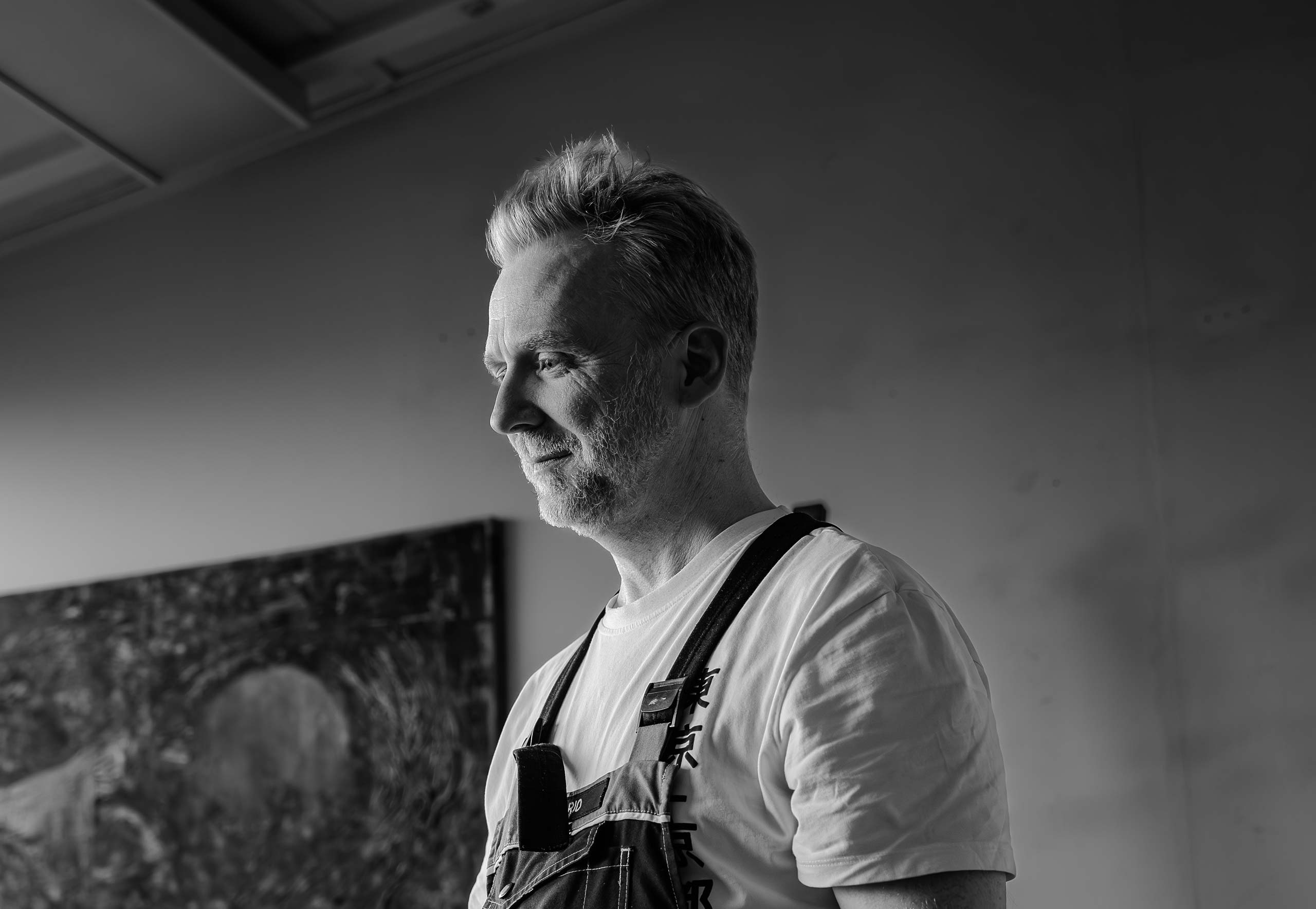
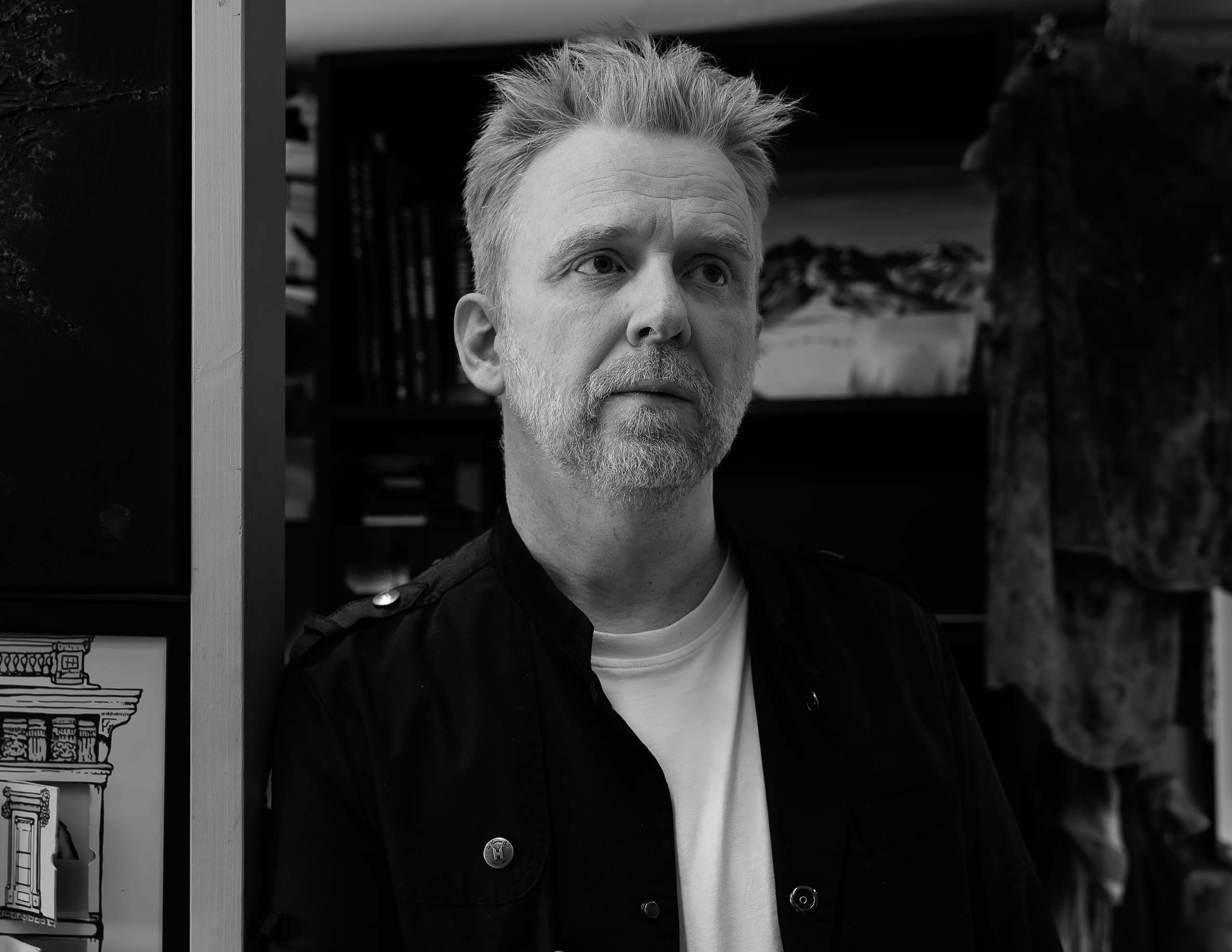
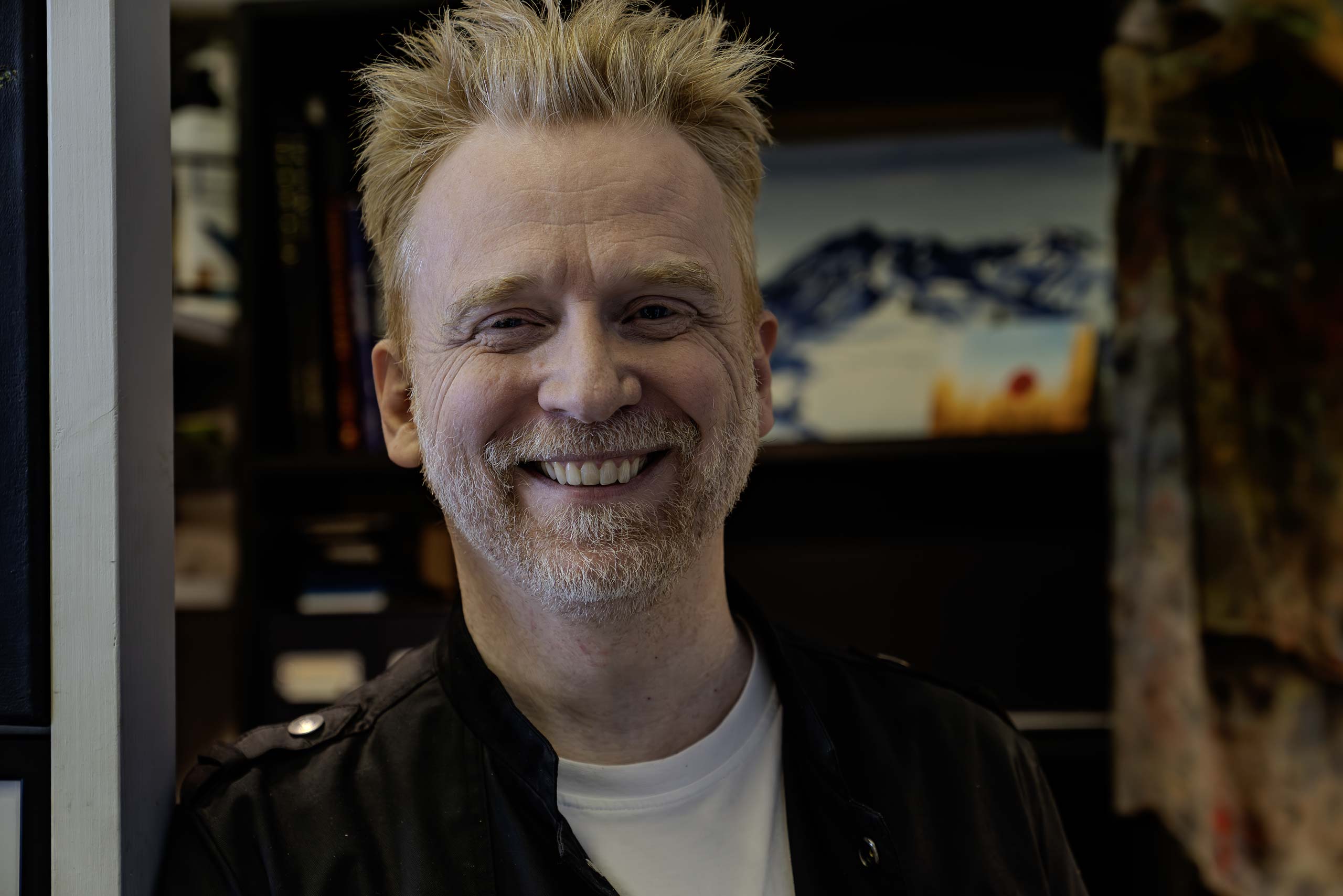
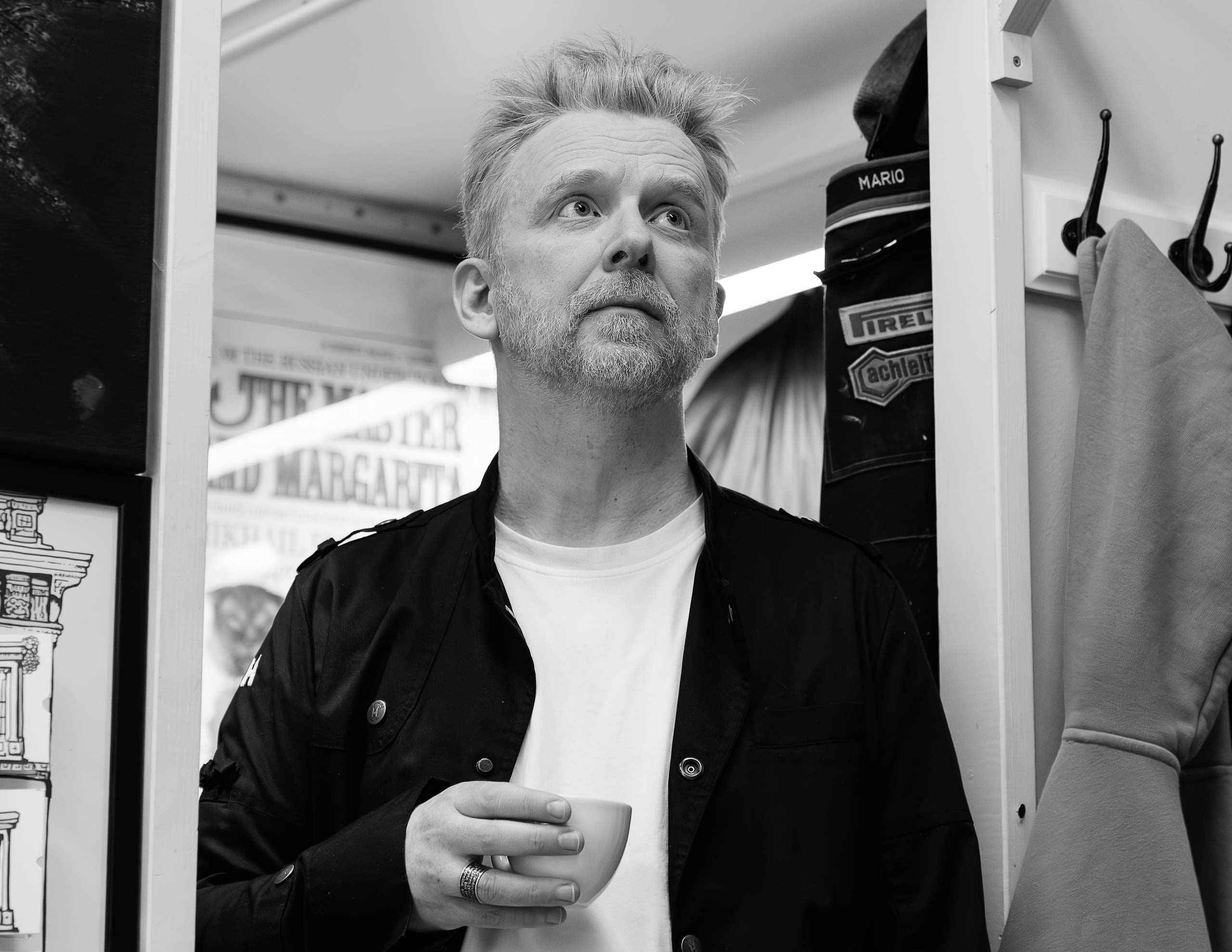
Hjörleifur Halldórsson
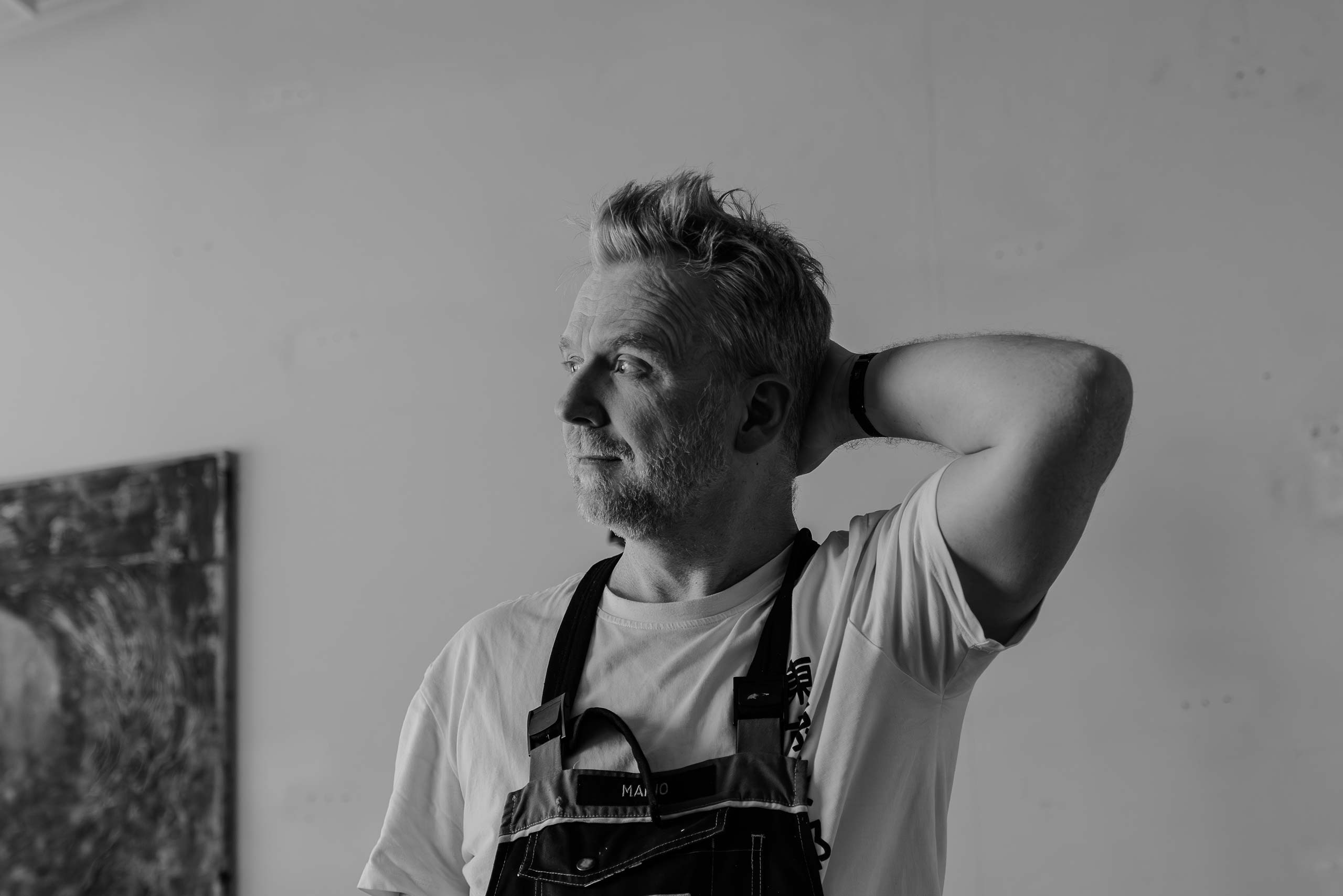
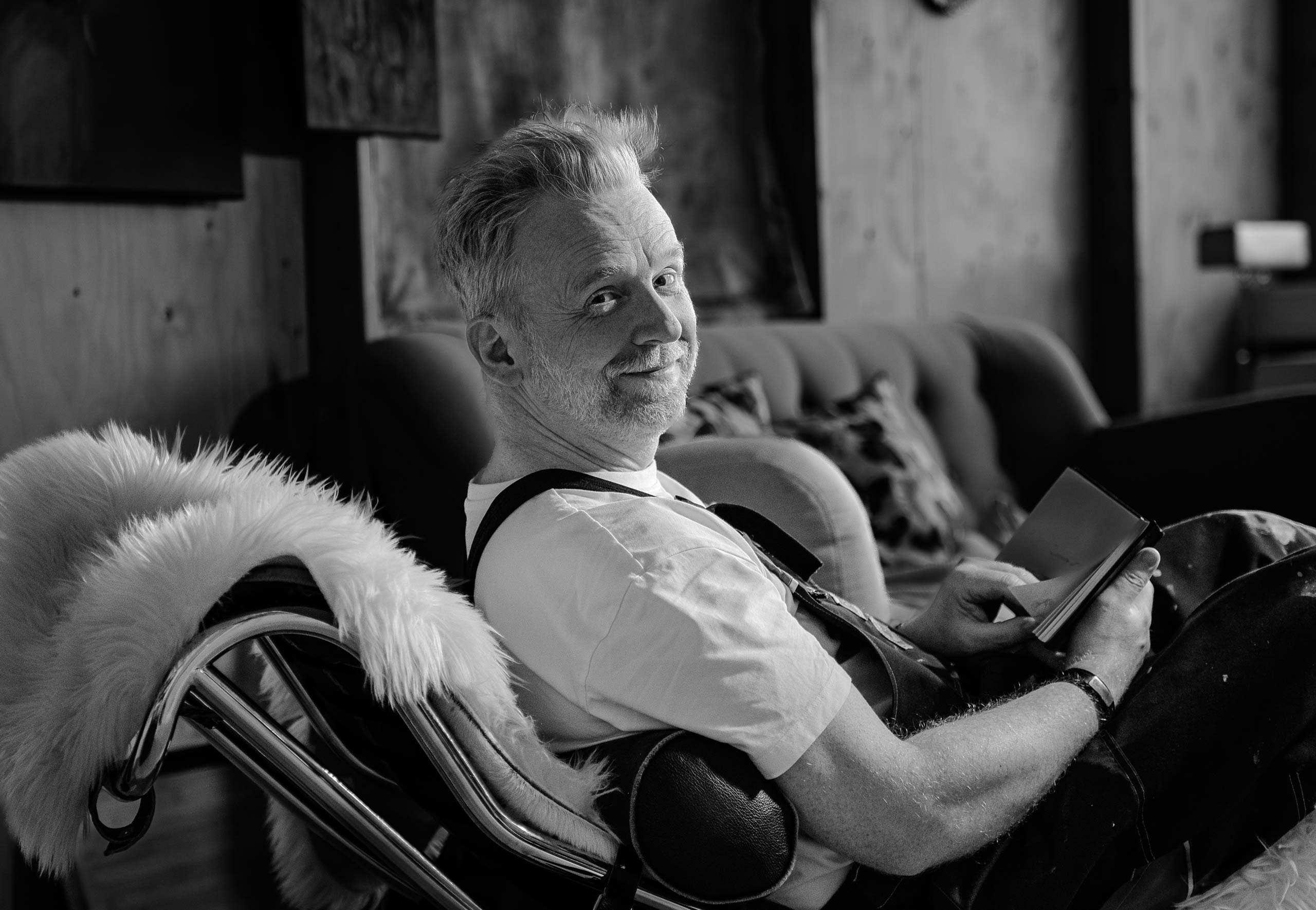
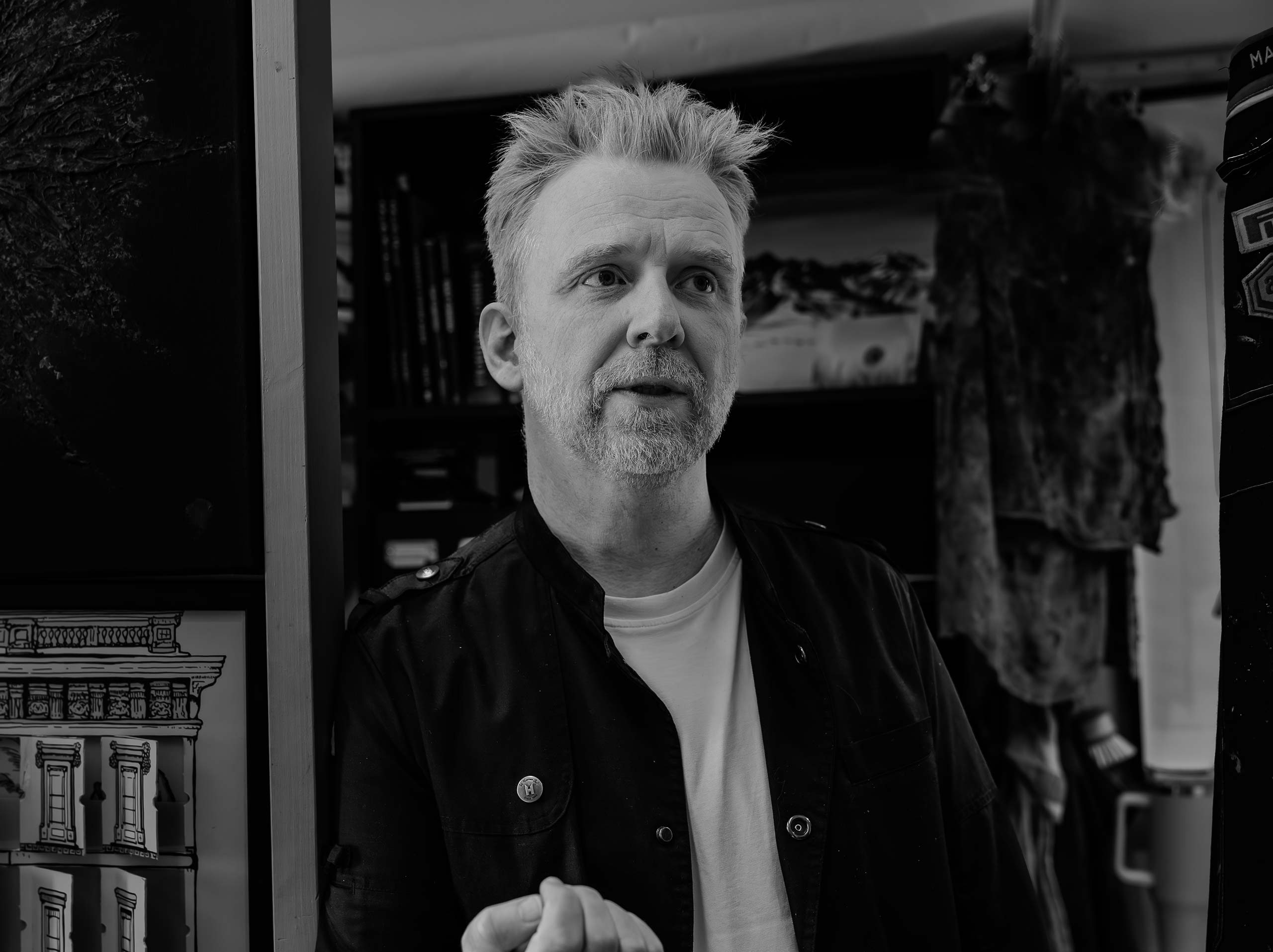
Hjörleifur Halldórsson was born in Reykjavík, Iceland.
When he was 7 years old, his family emigrated to Sweden, where he later studied engineering (M.Sc.) at the Royal Institute of Technology (KTH).
Hjörleifur spent most of his adult life working in medical technology, medical imaging, software development and government radiation safety.
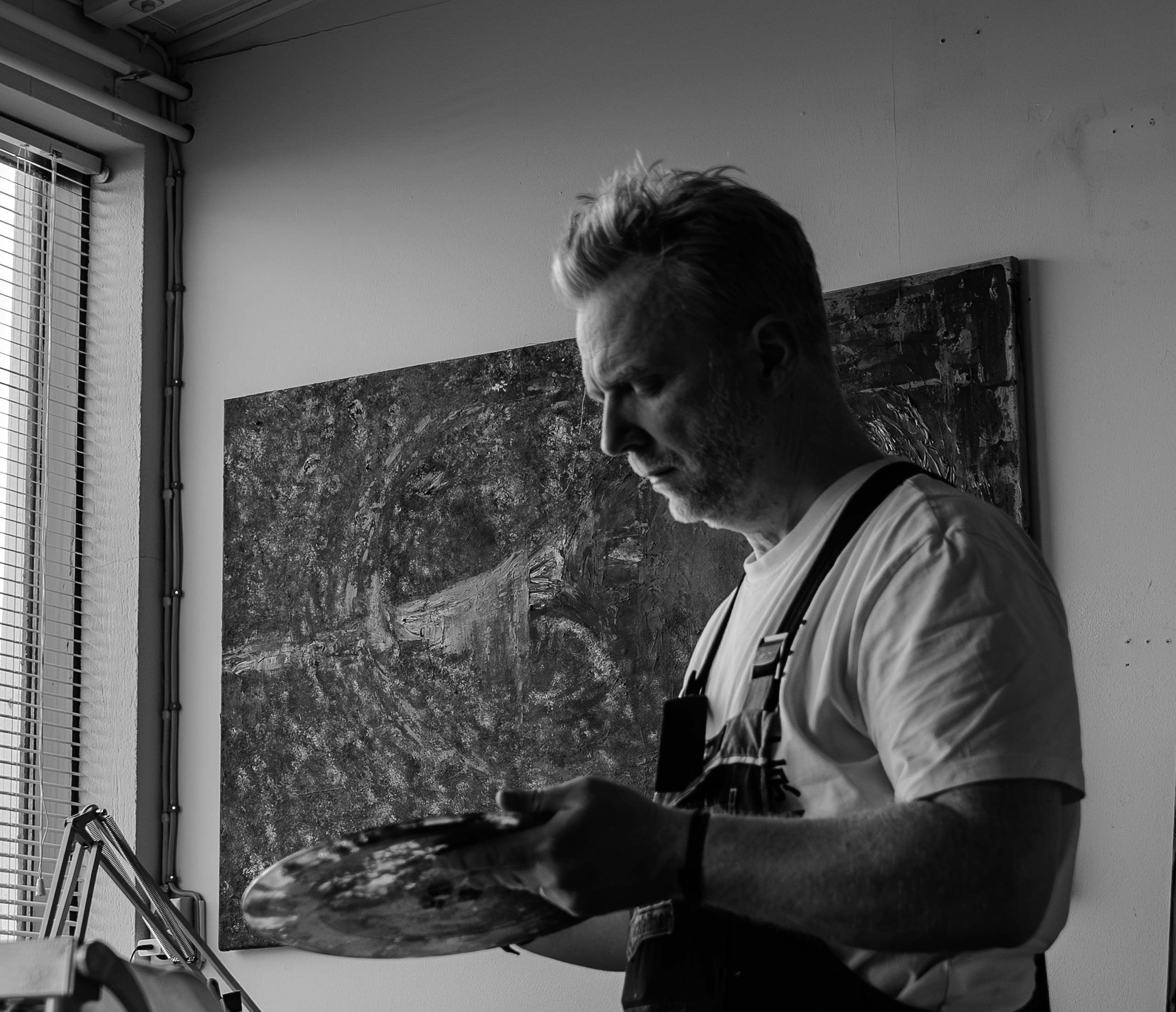
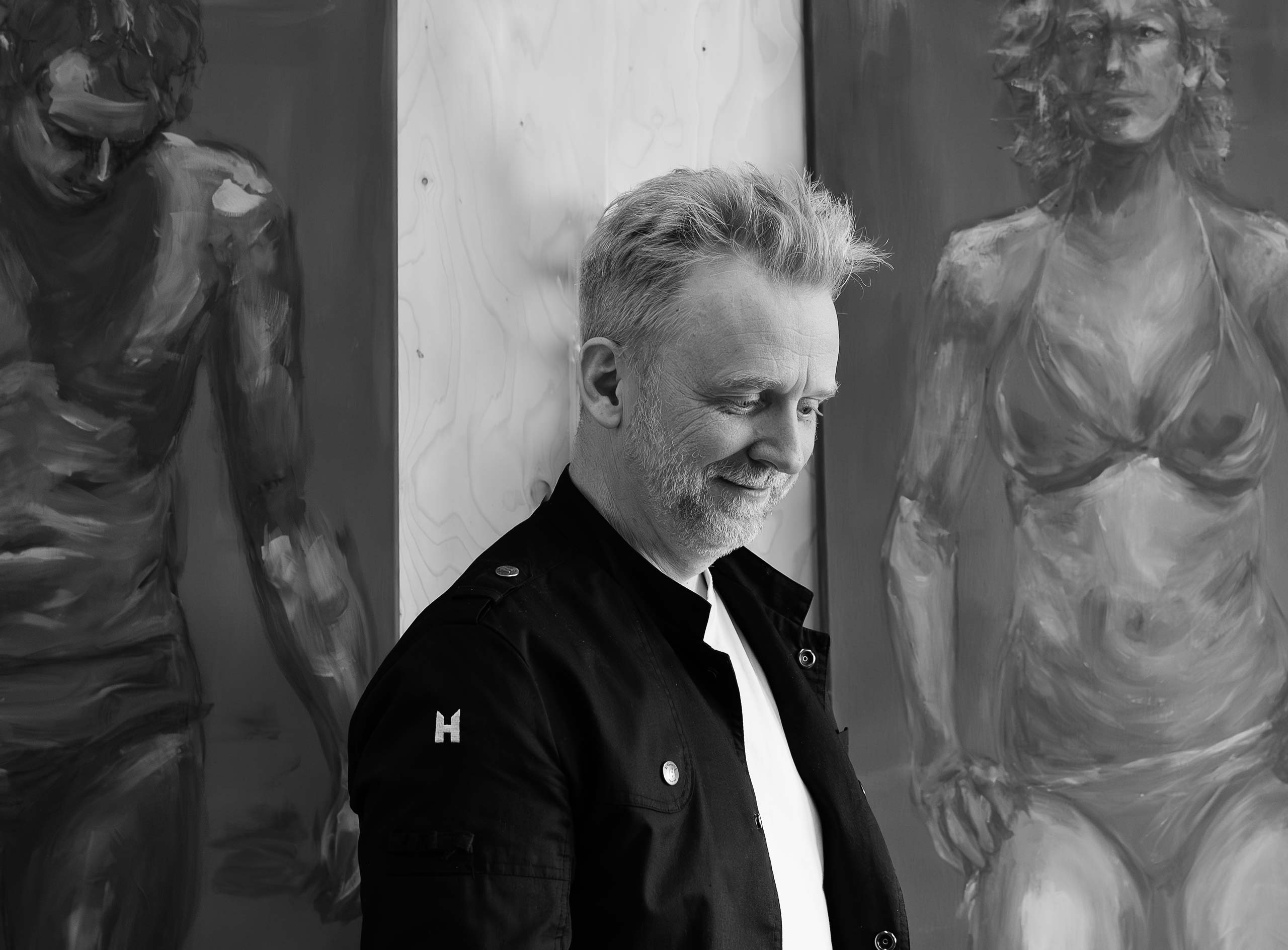
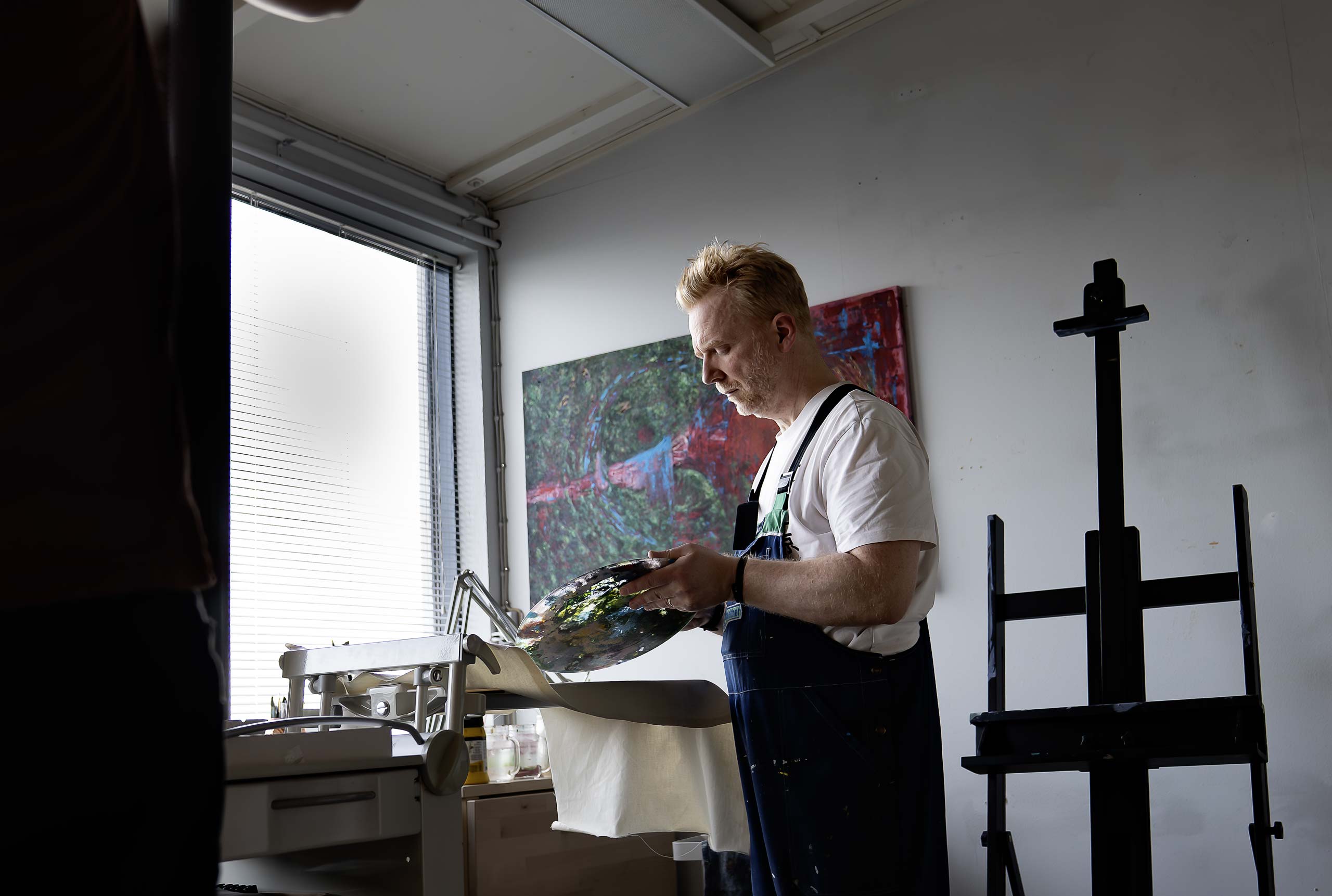
As art has always been a driving force in Hjörleifur’s life, he decided in 2020 to change his path and devote himself to art. In 2024, he graduated from the Faculty of Painting and Drawing at the Magdalena Abakanowicz University of Arts in Poznań (UAP) and then returned to Iceland.
He describes himself as collector of emotional chaos and an observing fool. He draws inspiration from, among other things from encounters with Buddhism, science, with music and with the boxingsport, all of areas teach him mindfulness and insight.
Please tell yourself, who are you?
I’m alive, and I’m happy.
That’s what I am. I work as a painter; I worked different jobs throughout my life…
But I really just enjoy being in the moment, and for me, right now, it’s to paint, and it gives me a lot, It fulfils me.
Do you personally have an idea why you are so successful in your life, being happy and in the moment?
I mean, I wasn’t always like this.
It’s a path that I’ve taken. I had different values before, and those values became a bad habit, and I had to change a lot.
And doing that, I found myself, and I found who I am, and what I want, and I had to reevaluate my life. I used to be an engineer, and I worked as an engineer.
I was the head of Clinical Engineering at the University Hospital in Reykjavik.
it was a fancy and nice position, but it was just not me.
I had to crash, mentally crash, to give up on that, and then just find myself again. And that took a while, but by just being true to my heart and finding out, what I really want to do, I changed a lot, I don’t define myself anymore on outward stuff.
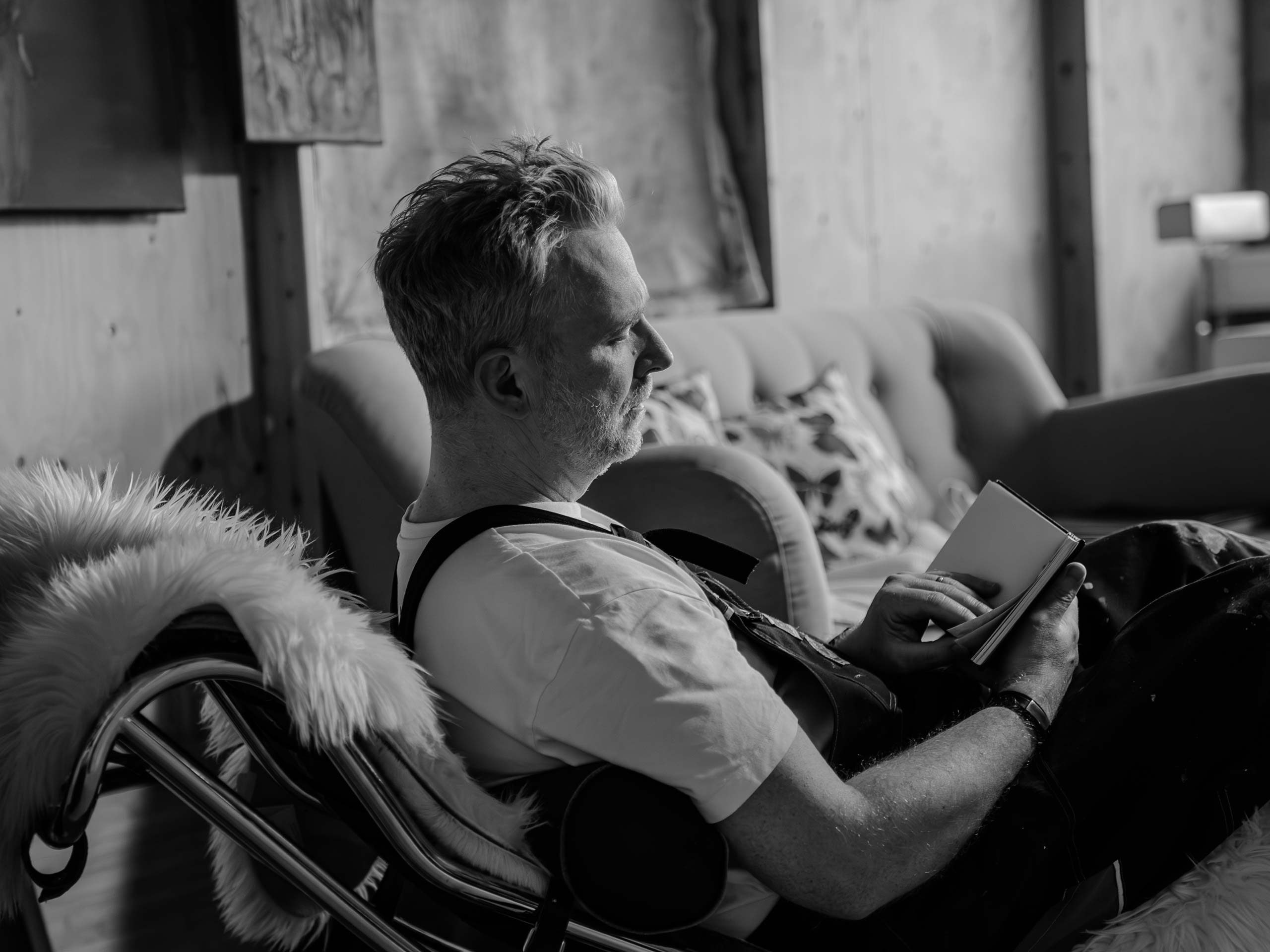
But on values, how I live, how I work. It’s just trying to be present, being here now and enjoying this wonderful life.
What is the impact of nature and art on your life?
I remember when I started to see, started to wake up. It’s really weird. It was like everything was black and white, and then I started to see in colours. And for that, I had, like, these pivot moments in my life.
I’ve been influenced by the values of Buddhism.
And that’s the path I really, really enjoy. And then I’ve also been influenced just by my loved ones and being there for others as they are there for me. And just making things simple. I tend to complicate things, and I used to do that a lot. But now I try not to… Try to live a simple life. I used to drink, I used to misbehave, I used to hurt people, and I was hurt a lot myself. And I had to just swipe that away and ask for forgiveness and just work on myself. And by doing that, I found some sort of happiness, some sort of calmness.
It is easy, but it’s a lot of work, but it’s there. You have to just do the work.
What do you enjoy most in your life?
Currently it’s painting. I just love painting, the part of creating something, the creative process and seeing something get born. And then the painting itself gets a live of its own, and then it goes out in the world like my children or something, and they have their own discussion with other people.
And also, just basic family values. Being with my wife and traveling and exploring, I need to explore the world, there are so many things to see, so many things to do.
You come here on a daily basis and work for hours; art is talent but also hard work.
I mean, everything is hard work, but if you enjoy it, then it’s not. It’s no more labour work. If you accept the things that you’re doing, then you start enjoying
It doesn’t have to be a struggle.
I mean, you can complain about, «I’m not selling anything», or «I’m not famous enough», or whatever, but it’s just about enjoying the progress, the work. Do the work. And that’s how you become an artist. Just do the work.
That’s what Martina Abramovic says. «I just go and do it.»
Just do it. Show up and do the work. And I think Andy Warhol said the same. It’s like: «Just go ahead and do it. Be courageous.»
We have seen these painting with lava at your gallery. Can you explain?
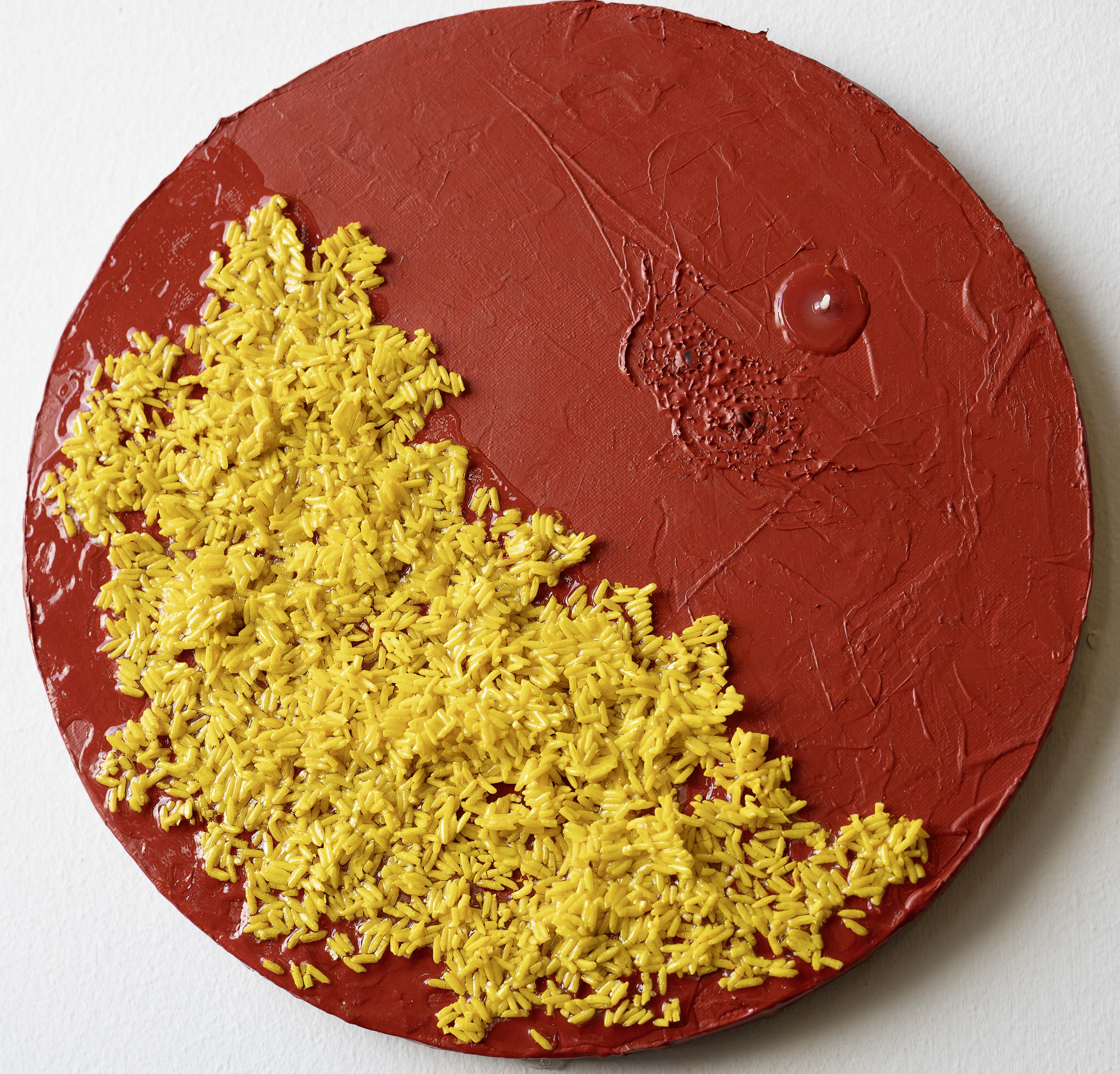
The exhibition that I’m having currently is about «impermanence», how we all within five generations will be forgotten, we live, we die and five generations later nobody ever met you.
And because you don’t meet, you’re forgotten. No one remembers you.
The freedom comes with that, that is beauty in itself. And we become one with nature again. So we have this circle of life that goes round and round, and we are from the ashes and we return to the ashes.
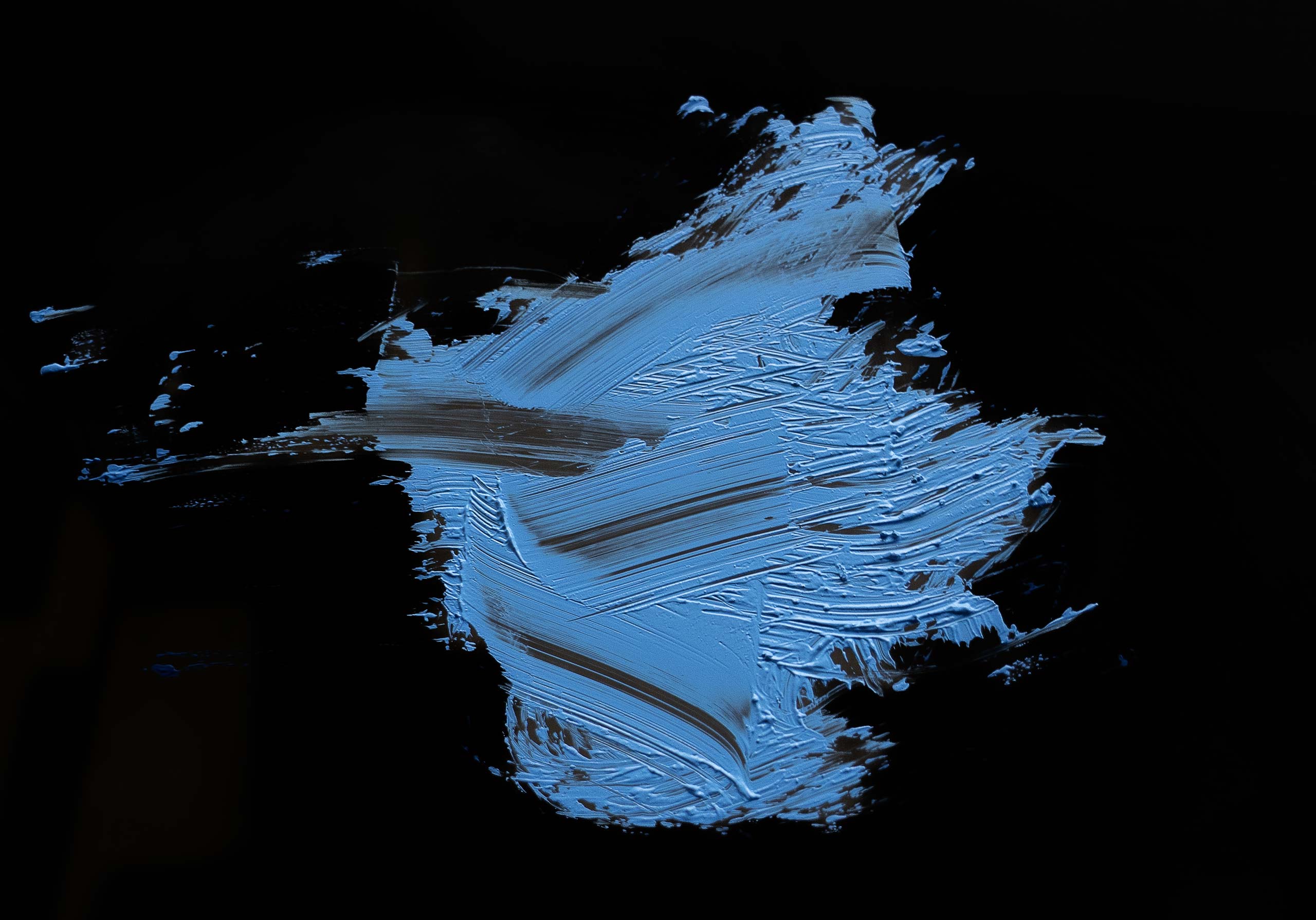
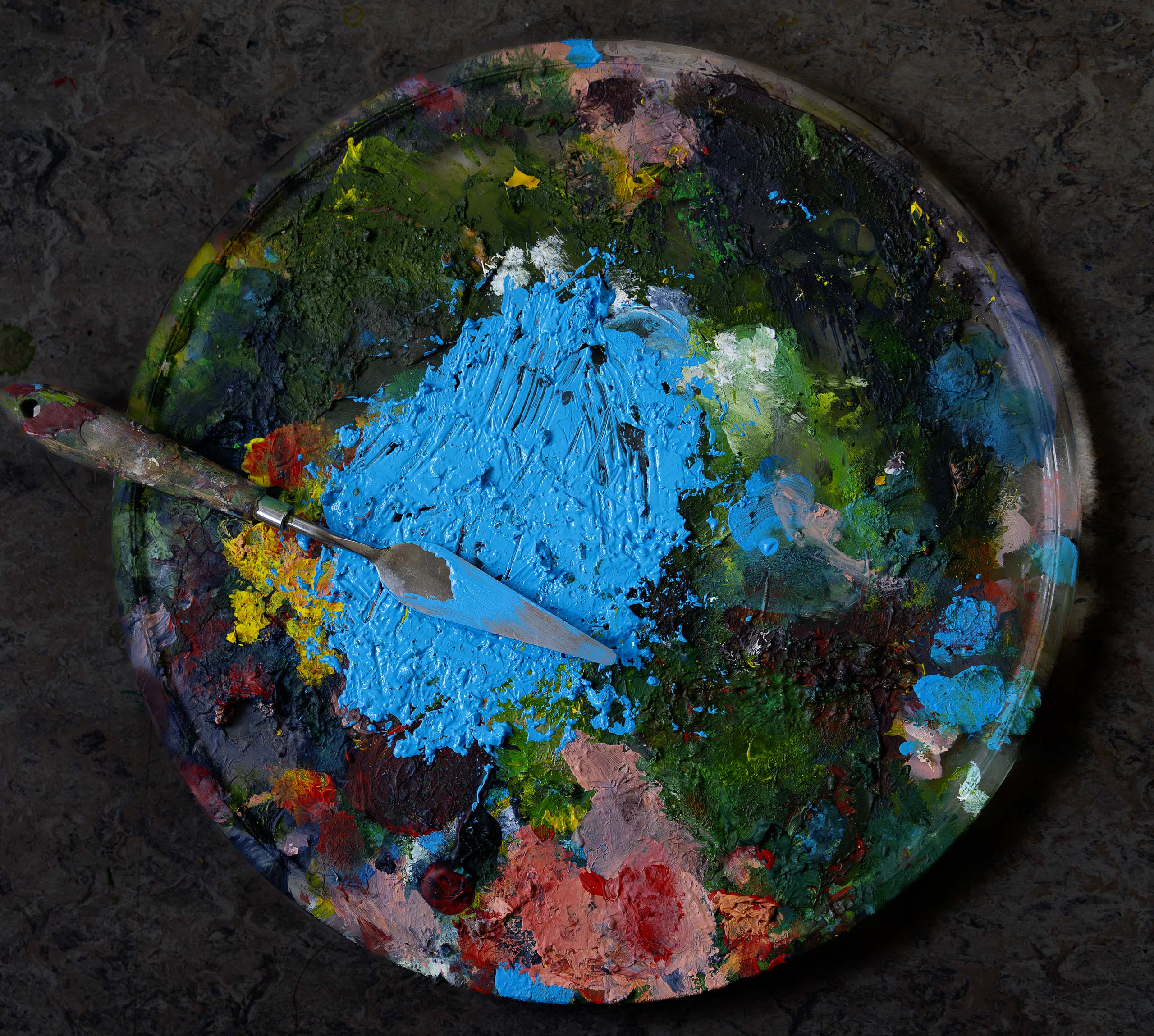
And in that way, I use the ashes. I take lava from Iceland and I grind it down and I put it in the paint.
And that’s like a reference for who we are, because we have this impermanence.
We are part of this process. And we forget about it sometimes. It’s a good reminder, also a reminder that we need to be present.
For some people, it’s really easy to be present. For me it is really hard to be present. I had to work hard on it. I had to go to retreats in India and just meditate and do a lot of stuff
But for some people, they’re just born in it, to be present. If you can be present, then you can be compassionate. And if you can be compassionate, you have the opportunity of insight and wisdom, which is really, really a good tool to have in the world, I think. And then empathy comes in. You can relate to the other.
And that’s the compassion. You have to have compassion for yourself and for the others. I think that’s really, really important.
I had to work to like myself, to love myself. I didn’t like myself. I didn’t ever put myself in the process. I wasn’t there. I was just thinking about others or something else. My ego was huge and far too big.
I thought if I get rid of my ego, then everything will be okay. But you can’t get rid of it, it became bigger instead. And then I got obnoxious for a while.
It was my path. And it worked out well for me. I think everyone can find its own path.
Do you give advice?
If people ask me. Yes, of course.
In all periods of life. I was trying to help others.
I’ve been in two different types of 12-step programs helping other people there.
It is important for me, to be there for others. But I don’t think you should be there if people aren’t ready to be helped. You should not be like a white saviour comingand helping people.
No, but if somebody really asks, you give sort of guidance. think that’s a human way to do.
Do you have a utopia? A vision of an ideal world?
If we all wake up and we all try to be kind to each other, then that would be really nice. And besides that, I think it’s good to just to be able to accept the world as it is. Just to accept. And also to be able to understand and know the things that you can change and not focus on the things that you don’t know how to change. That can’t be changed. Like the serenity prayer. I really like that one. I have it on my finger. I’m not religious, but I have this serenity prayer.
It’s a really good reminder for me to be able to help when I can help or be there when I can but not try to do it another way.
This is the serenity prayer:
«God give me the strength.to accept the things that I cannot change, change the things that I can change and the wisdom to know the difference between those two.»
«… ask for forgiveness and just work on myself. And by doing that, I found some sort of happiness, some sort of calmness.»