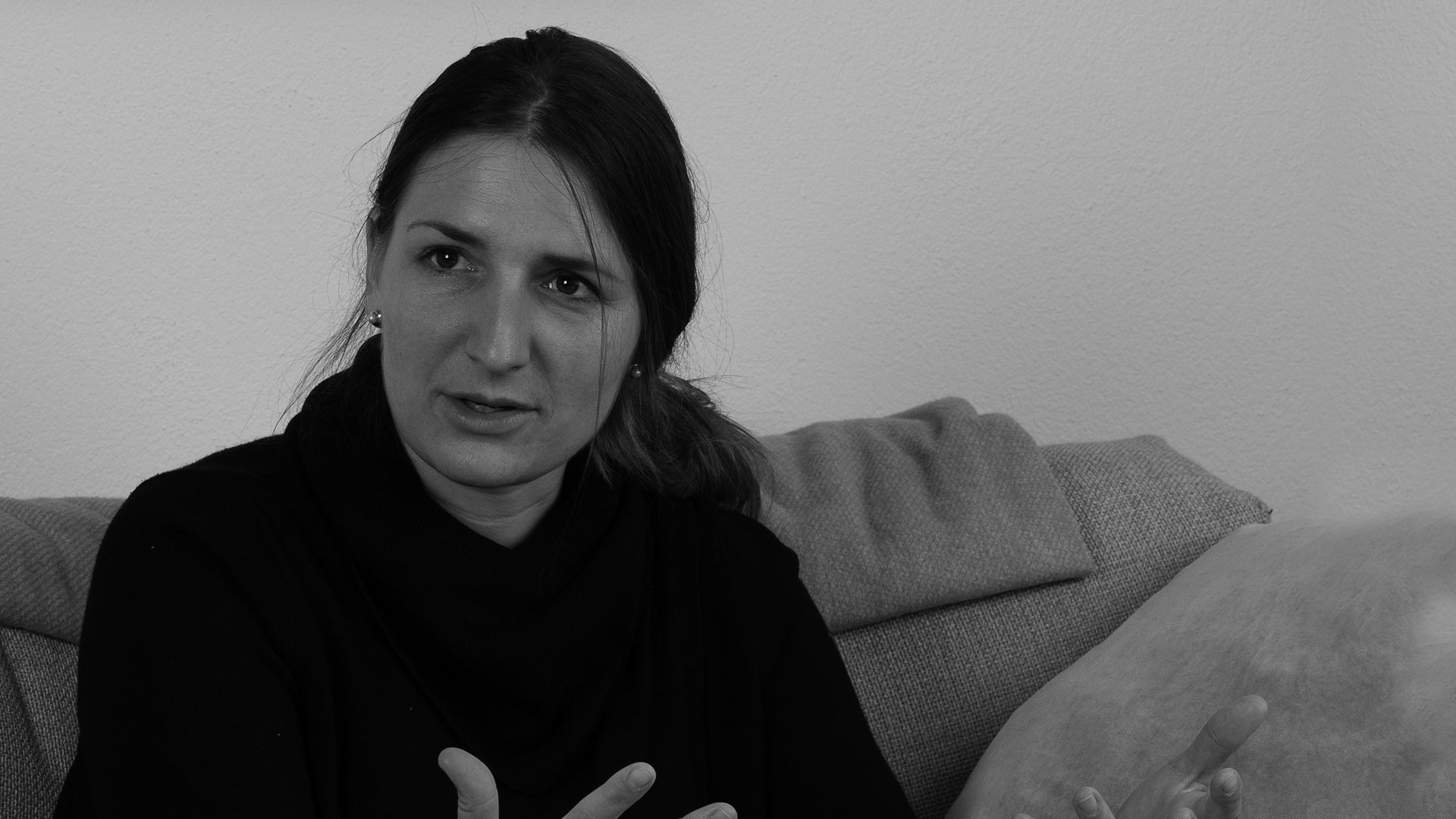
Simone Alabor
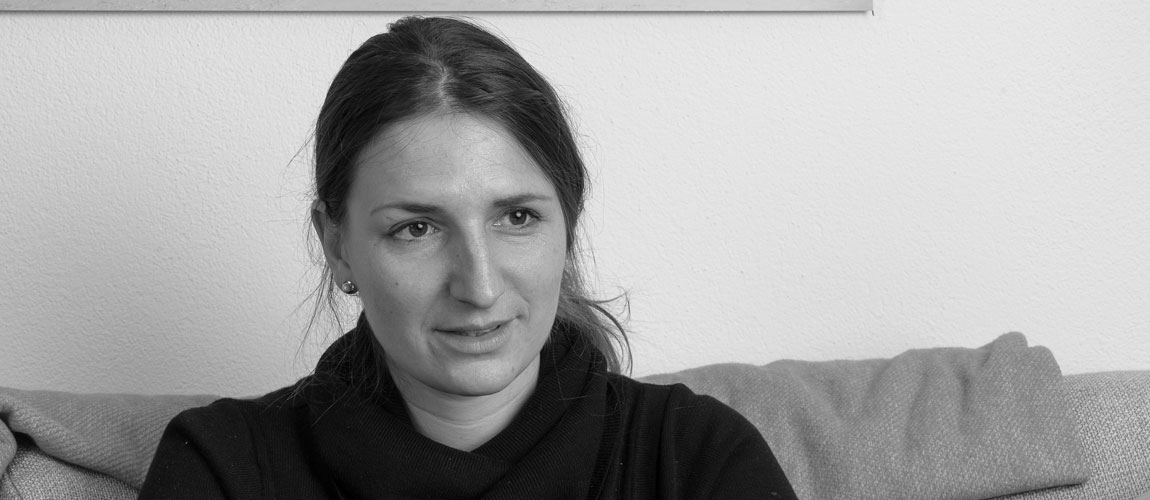
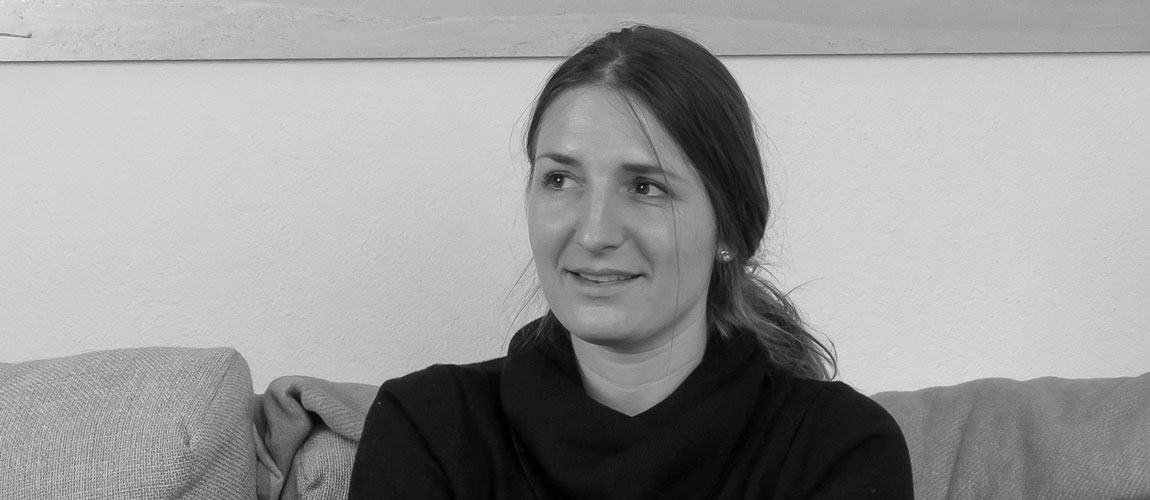
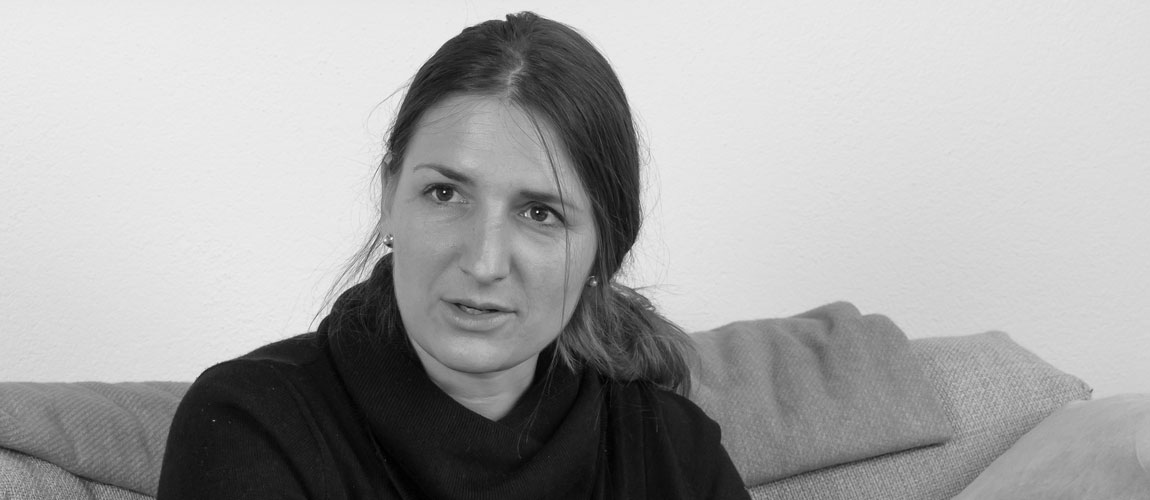
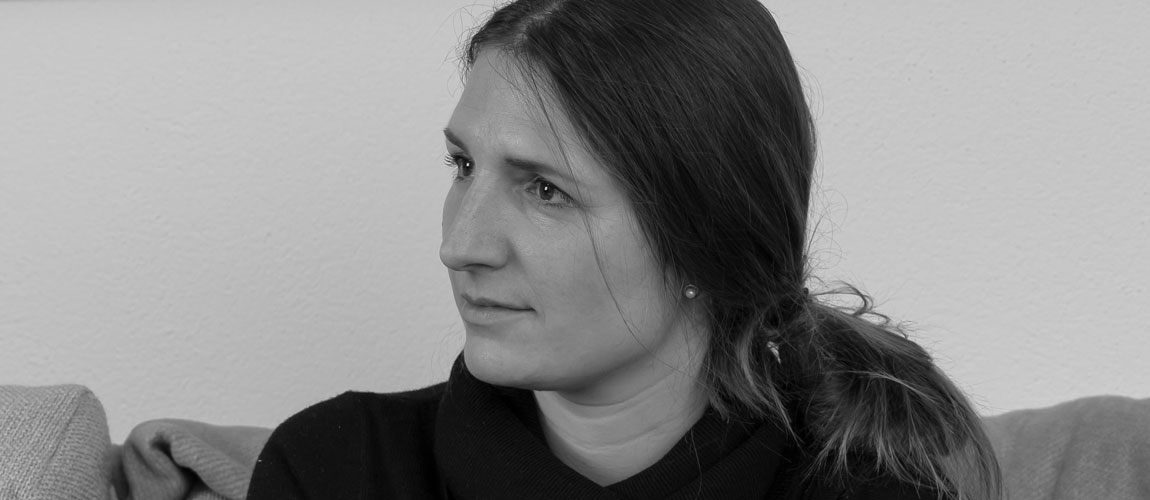
Simone Alabor was born and raised in Switzerland. She studied Marketing, Services and Communications at the University of St. Gallen and earned a Master’s degree. Simone Alabor founded and owns the company “Who is Nik”, a lab for projects in the field of ‘Future-proof Economics’ which aims to produce surplus value for people, companies and the environment. Simone Alabor launched the movement “Move the date Switzerland”, an organization with the goal to move the Overshoot Day at the end of the year. The Overshoot Day indicates the day when mankind will consume more of nature than our planet can replace throughout a whole year.

Why do you think are you so successful?
I always listen to my gut, 100 percent, as it’s 100 times more intelligent than my head. It tells me what’s good and what isn’t good and I’ve learned to listen to it. Even if my brain comes up with rational arguments, I stick to it. I feel like I received a strong grounding. My mother taught us to trust in ourselves and in our values. She passed on a certain gentleness towards nature and the environment.
So, for example, in spring, when it rained, we went out to pick up the frogs on the road so they wouldn’t get run over. All this generates a strong feeling of being grounded.We actually developed as a core value from a very young age an appreciation of nature, the animals and all beings around us. She emphazised the importance of trusting our feelings. And I’ve practised that every day till today. When it comes to finding a way in the madness of the world my feelings are my most trusted compass.It certainly helped having two siblings as well, whom I had to deal with. All three of us are very headstrong and animated. So at the kitchen table there was a lot of activity. We had discussions and arguments. You had to be quick and you had to eat fast in order to get the things you wanted. Our household was always very lively and noisy. And I think the situation in our team today is similar.
I realize how nice it is to create something as a team. working with people who have similar values. Everyone has his own personality, which sometimes causes friction, but funnily enough it always brings us further and together we get better results. So yes, working in a team is very important for me, that’s for sure. And among other things I think the wish to work the way I like led to the fact that I finally founded my own company,
I’ve always had a bit of a founder’s gene. At some point as a kid I decided to learn how to ride a unicycle, which became my greatest pleasure. From then on I rode the unicycle all the time. All over the village, from A to B, everywhere always on the unicycle. Suddenly there were lots of unicycles in the village. I started giving lessons, and got paid for it. At the beginning I charged 50 centimes an hour. That was a lot of money for me, because our parents were always a bit stingy with pocket money. Then I noticed that other parents were much more generous. So I increased the price to one franc per hour, then to two francs per hour. That was a lot of money at my age at the time.
My mother died when I was 17. I moved out soon after that and so at the age of 17 I had to stand on my own two feet. This was a huge shock for me, but I managed to pull myself together and I realised what I could achieve on my own. I found out what it means to have friends and how important and reassuring that is. I think this experience reassured me about starting my own companies.
You have to take decisions and go forward. You come to new forks in the road anyway. And actually, it doesn’t really matter whether you go right or left. You’ll come to another fork in the road again eventually. There are millions and millions of possibilities how you can go on on your way. And each one is exciting and you experience something new and you meet great people.That’s also where I get my energy from. I like to go out, to talk to people, brainstorm, there’s really no lack of ideas, which is great. I like to get up in the morning with the confidence that I have a meaningful job and that I work amongst a team of friends.Money is important. But money is important in the sense that money takes you somewhere to accomplish something, but it’s not the purpose in itself, it’s a means to the end.
Do you have a role mode?
As I said earlier, I think I received a strong grounding from my mother, who taught us to trust in ourselves and to trust in our values.
What is the impact of nature, beauty and art on your life?
So nature, it shows you how small you are somehow and how insignificant. And that’s beautiful and comforting. Everything always goes on. Even when you’re no longer here. You’re just a little ant in a big world. And that’s the feeling I get from nature, from the mountains, for example. I love the mountains. I just have a reverence for what is here, for nature. Of course, that’s why I also have a strong wish that this may be preserved.
Since John, my son, was born I feel this much more. Much, much more. As we all know, the earth will go on existing without us thankfully. We call it ‘climate protection’. It should instead be called ‘human protection’. It has nothing to do with the climate. The climate doesn’t really care whether we exist or not.
The mountains trigger that in me. This feeling of being connected to something bigger, of being very, very small and insignificant, which comforts me rather than shocks me. You’re on a mountain peak, you feel the wind, you feel the sun, you enjoy the view and you’re just here in the moment. It makes me feel alive.
What is your Utopia?
I have a picture in my mind and really hope it comes true and why we do what we do. I imagine – if we take John now – that maybe I’ll talk to John’s kids and say; ‘Imagine this, there was a time when people actually thought that it was inevitable to feel uncomfortable when you went to work, that you had to compromise to get a job and that your livelihood wasn’t guaranteed. And that was the way of life everybody accepted, there was no other perspective. You could have prosperity but nobody was able to enjoy it because they were working all the time.’ And the kid would look at me and say; ‘What? No, I don’t believe that. That’s absurd’. And I would say; ‘Imagine, even political decisions were made according to this illogical perspective, fearing change, fearing jobs might disappear, knowing that you were sawing away at your own branch, your own livelihood. You knew it wouldn’t workout, but you didn’t have the courage to go for change.’
In my vision, it’s the most normal thing for this future child to be able to get up and go to work with the feeling that he has something to do that is fun and that gives him meaning. And this child of the future does not maximize profit, but maximizes meaning. So in the sense that he has a salary, he’s doing well, he has a roof over his head, he can afford a nice life. But it’s not about raking money into some abstract account where afterwards there’s just some digital number. It’s really about creating value. The creation of value is what the economy should be all about. Creating real value for oneself, for society, for the environment. Because nothing else will work, in the long term. That’s the kind of world I imagine. Where you don’t have to compromise in exchange for going to work.
We have ten people and they all need a fair wage. I actually think that in the future there shouldn’t be any organisation needed with the purpose of correcting bad situations. I say that and I’m the CEO of two myself. Actually, I have the vision of an economy where there are no more associations required which try to fix from inside something that’s going wrong on the outside. Because the economy will accept reality and the dependence on a functioning society and a healthy environment.
And every time we all go to work, when we work, we make something good happen. Imagine that. And when we work, we know we can be ourselves. Or it’s no longer expected that we suddenly lose our moral compass. Actually anyone who goes to work can say; ‘Okay, I have these and these values and I want to be able to live out these values in my business life as well.’ That’s actually what I think should happen, that’s the vision I have.
I have the feeling that it’s high time we stood up and questioned ourselves. As a private person I have certain guard rails, certain values. Now I go to work as a private person and apply these one-to-one in my workplace. I tell you, in my vision, there would be very few people left, who would go out and say: ‘So, now we’re going to cut down the rainforest.’ Our situation is due to large units where the left hand no longer knows what the right hand does, and the company expects loyalty, whatever they do. The stress coming from these surroundings makes people ill.
I created “Who is Nick” a vessel from where we start projects, where we firstly think how and where we can make a difference, and secondly where we enjoy working because we stand behind the projects we follow.
What we do isn’t ideological. Often people put us in the ideological corner. We are not unrealistic. We are doing business. And we make money. We have ten people and they all need a fair wage. We pay high salaries, which we can afford. We function very well. I’ll even go further and say it’s the people who think the economy functions well the way it does today who are the ideologues. They’re dancing on a cloud and they’re wearing rose-colored spectacles. Because, the facts are on the table. It’s not going to continue the way we’re doing it. It’s not going to work that way. Anybody who is convinced that business as usual is working is ideologically biased. And so I actually see us more as very fact-oriented, and a very realistic company. With every other topic apart from sustainability companies follow the new trend. Consumers are surveyed, data is evaluated, and then it becomes clear that this is the new trend, this is where they have to go. Then the whole company goes in that direction, the steering wheel is turned around. The issue of sustainability could cause exactly the same turnaround. The facts speak for themselves. We are about to have problems with resources. The security of our resources is in jeopardy. The trend is very clear to see. If I were rational right now, I’d say; ‘Turn the wheel and go in that direction.’ Funnily enough, when it comes to these issues, people get totally irrational. When it comes to this topic, the discussions get suddenly emotional and irrational. It makes no sense what you hear. People get the feeling that they are guilty. That’s what you’ve always been told.Experts started the discussion on the issue of sustainability. They are good with numbers and facts, but they have no training in marketing and have no idea how to sell a good idea. It is factually true that the way we live will not work out. It is a business model that is not scalable factually. If the whole world lived the way Switzerland does now, you would need three Earths. That’s not possible and we can not go on like this. From this knowledge we get this feeling of being guilty. Guilt is always difficult, and people get defensive and fearful at the same time.
Burnouts are on the rise. People don’t know what they stand for anymore.
You go to work, but you know what you do is meaningless. I once had a hamster. Siggi was his name. He loved his hamster wheel. He always ran like crazy, running so fast that it knocked him over. He stood still for a moment, no longer knowing what was up and down. Then he started all over again. And sometimes the working world today reminds me of Siggi.. A lot of people spinning and spinning in a hamster wheel. At some point it rolls them over. Then they don’t know where they are or what is happening. And then they start all over again. When we advertise a job we get so many applications. You realize that people are questioning more and more the employers and the companies they are going to work for. As a consequence, we were able to hire top people now – an unexpected impact on our business in the end, we have a team in which everybody is top in their field.
What do you tell people asking for advice?
I say that every person has an incredible power to change something, every single one of us. You don’t have to go out and feel like you have to be part of this game. You can actually create your own game and play your own game. I think each one of us is a private person, an employee, a friend, an entrepreneur, whatever, plus a voting citizen with enormous power. The mistake we all make is to think of ourselves as little individuals fighting useless battles. We have to convince ourselves that every change no matter how small makes a difference.
And many little differences create a big one. I would say to people like that; ‘Yes, you do have a chance. And yes, a part of the world is like that, but not the whole labour market. Go into the big companies and make sure you’re in a position where you can make a difference, and just do it. Because even in the big companies, there are people like you and me. If that mass of people in those big companies get up every morning and believe what the bosses tell them, as long as that happens, we have a problem. If that mass of people in those companies get up one day and start questioning and looking for change, when that happens, then we’ve won. And that’s why I actually say to young people that they all have incredible power. Use it. Start your own business or found a company, be independent. OK, not every personality is a founder. Not everyone is comfortable doing that. But there are very good people who want to be part of a team and like to pull along. They’re just as important as the others and very central.To get a good start in business life you have to consider several important points. Timing is crucial as much as an extremely good team, good people to talk to, to rub elbows with. Not the same people as you, you have to find better people who are extremely good in their field, who challenge you. That’s an important thing. Timing I think is very important. You have to get the timing right. We were a little early. The first two years were so depressing. I was going from door to door and I felt like: why doesn’t anybody get what I mean? And all of a sudden there was a change and a wave started. And now everybody is riding on this wave and sustainability matters. If something doesn’t quite go the way you think it should, you need perseverance and flexibility. You have your business plan, fine. But in reality things work differently. You have to be ready to adapt to the new circumstances.
It’s not enough to want to do something good. It really needs a sound business plan behind it. You have to know how to make money. You have to think it through. Who has an interest in what you also have an interest in, and who is willing to co-finance something.
As I said before, for me the most important thing is to follow my values, to have projects which are meaningful and future-oriented. And I think for me the best working place is in a team of smart fellow players, together you go much further and find the better solutions.