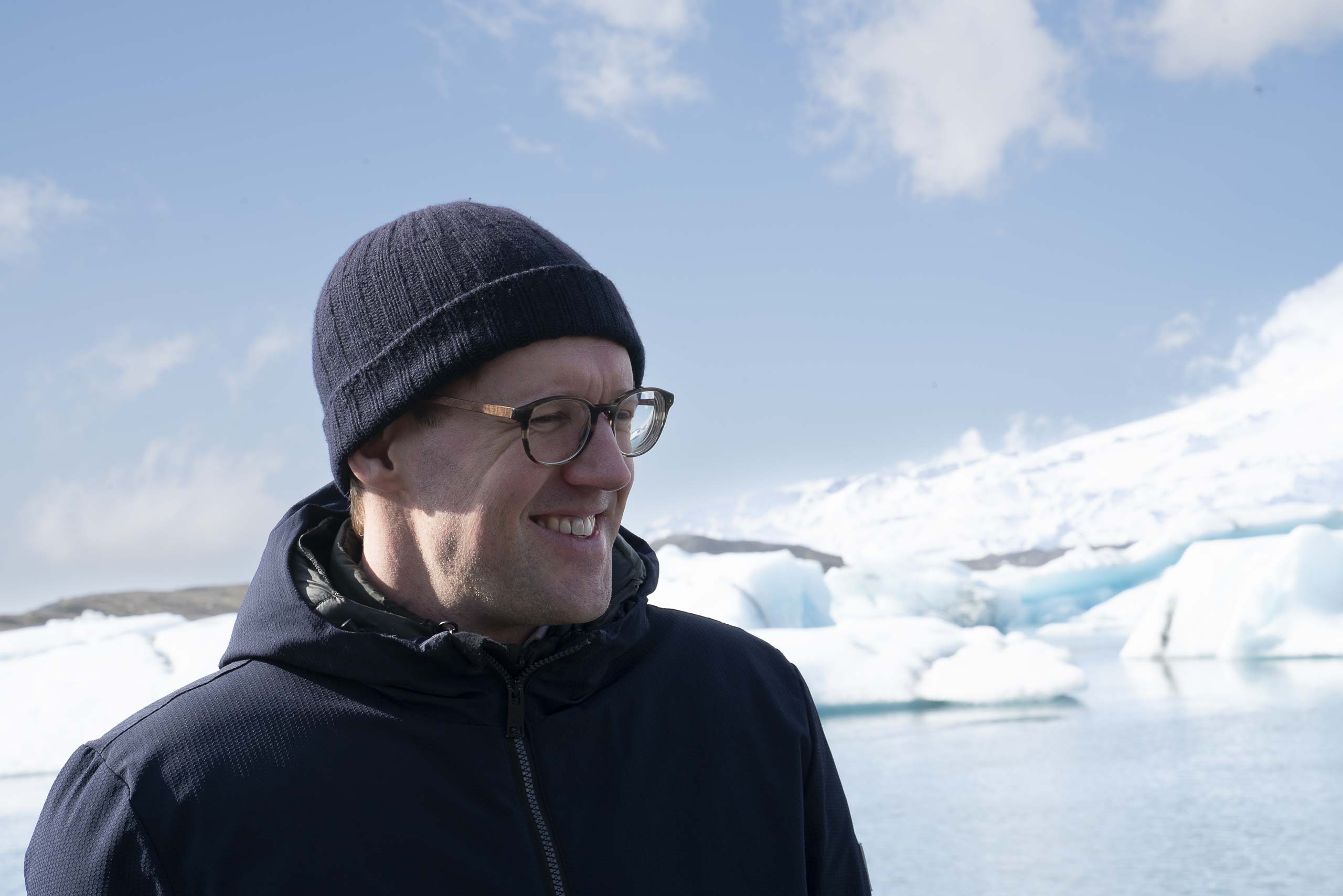
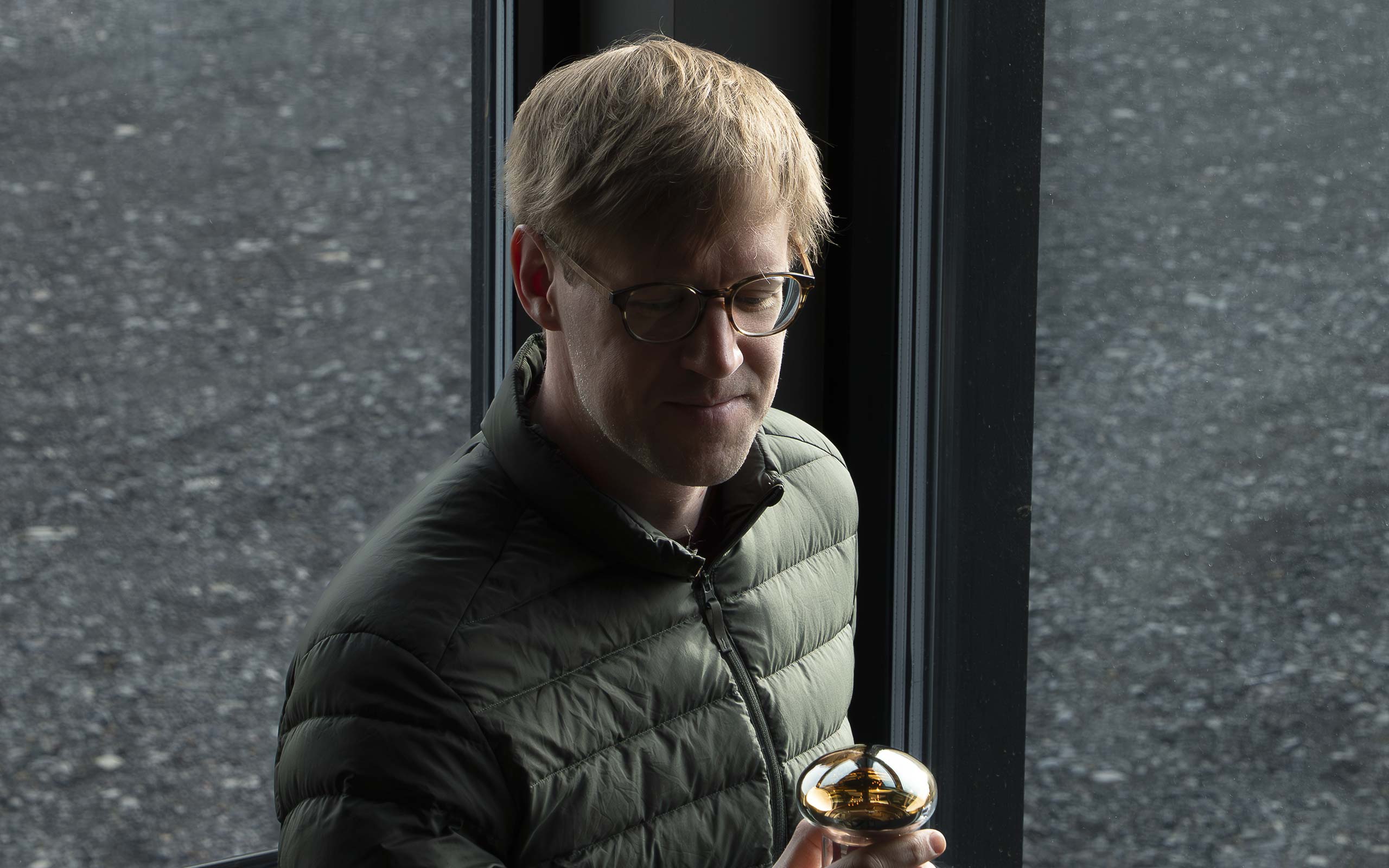
Dr. Philipp Eller
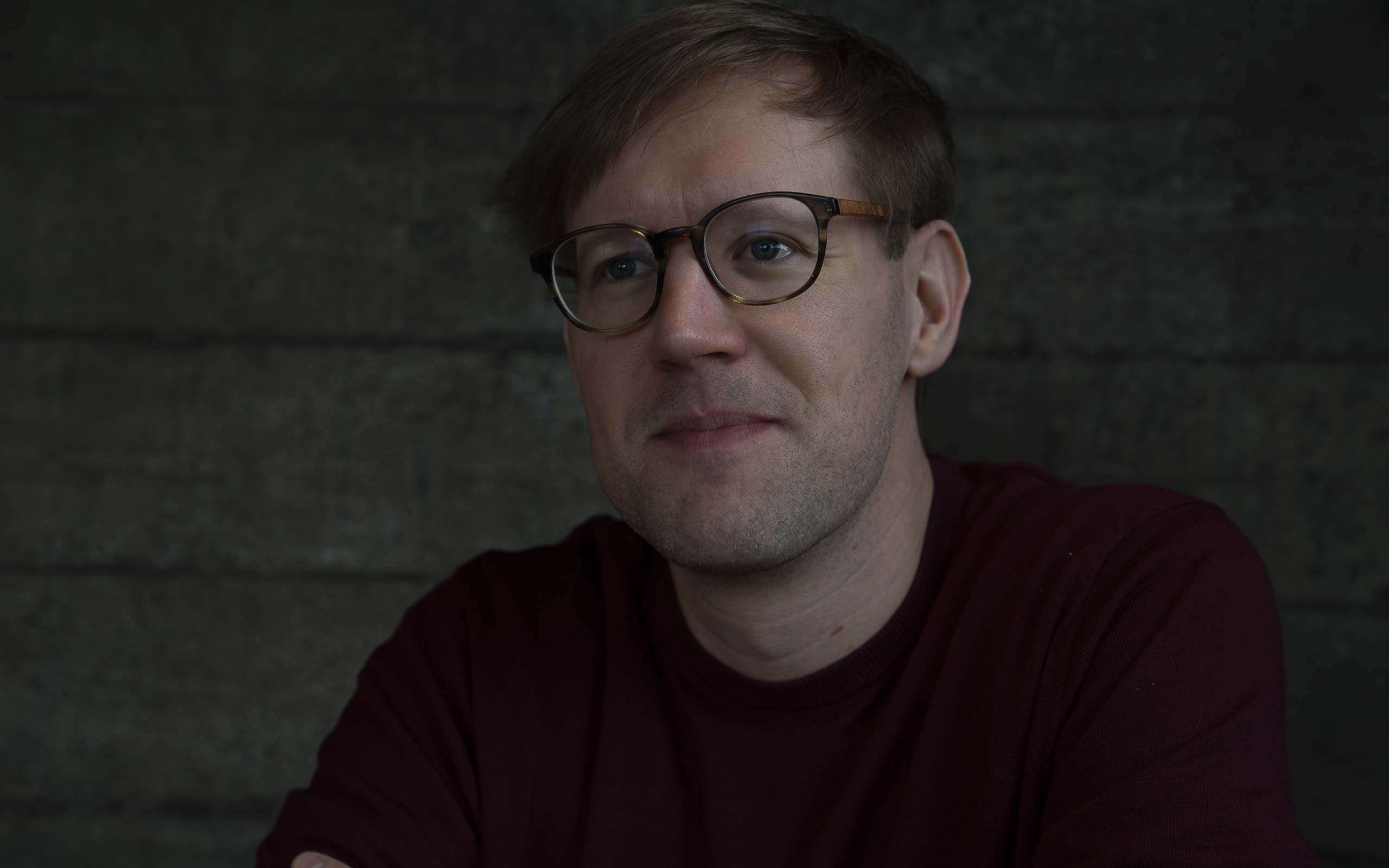
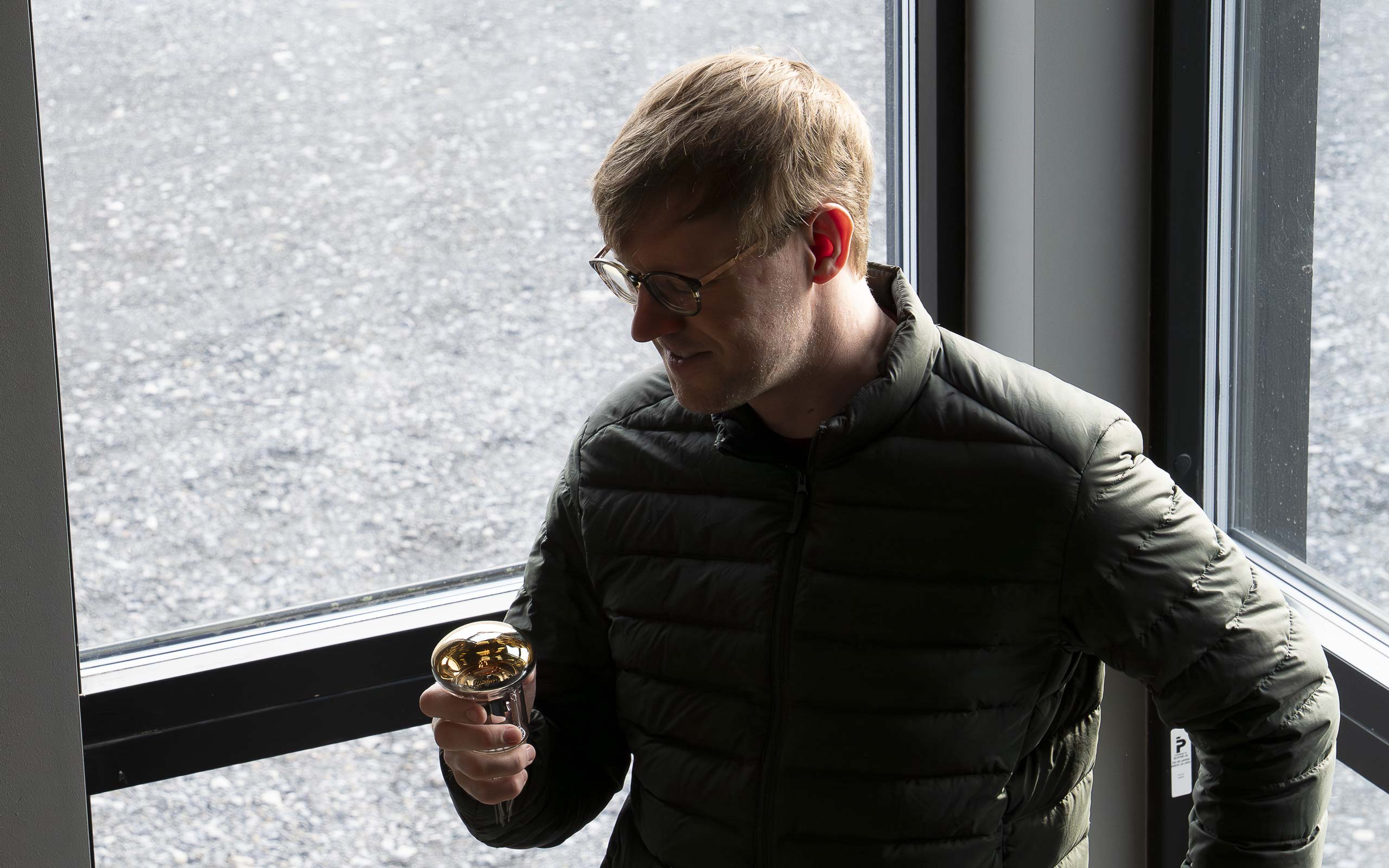
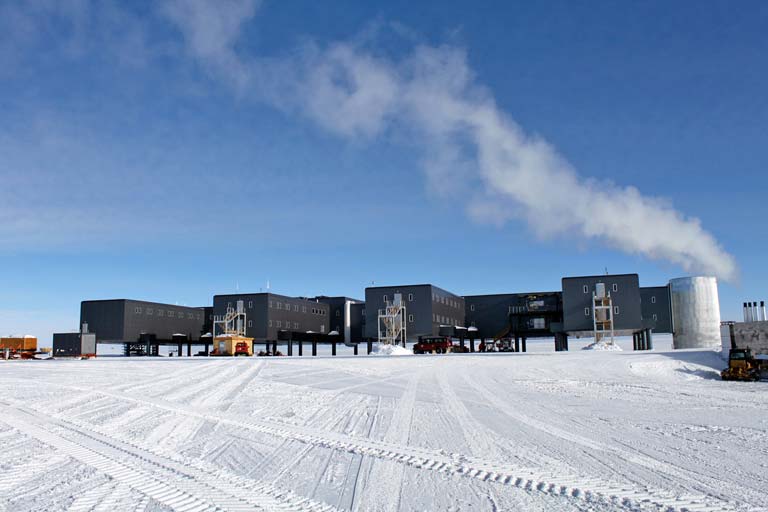
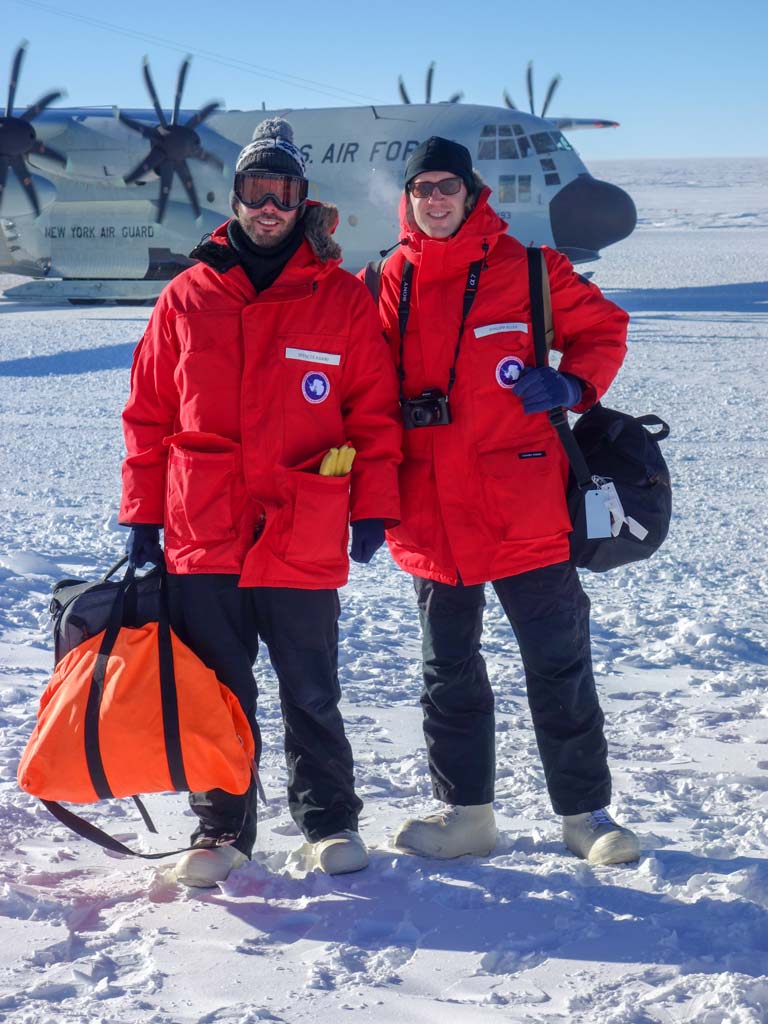
Ever since he was a kid, Philipp Eller dreamed of becoming an inventor. Somewhere along the way, though, he veered slightly off course—and ended up as a physicist instead. After studying at ETH Zurich and earning a PhD working on the CERN experiment, he headed to the US to join the Ice Cube collaboration—a team of scientists chasing neutrinos using a gigantic telescope built into the Antarctic ice at the South Pole.
Eventually, Philipp almost made it back to his motherland and landed at the Technical University of Munich, where he now holds a permanent research position. He continues his work with Ice Cube, delving deep into the mysteries of the universe (and ice).
These days, he leads a research group, teaches as a university lecturer, and serves as a principal investigator. Outside the lab, he’s also a husband and father—still inventing things, just not always in the way he imagined as a kid.
Watch the full interview with Philipp Eller
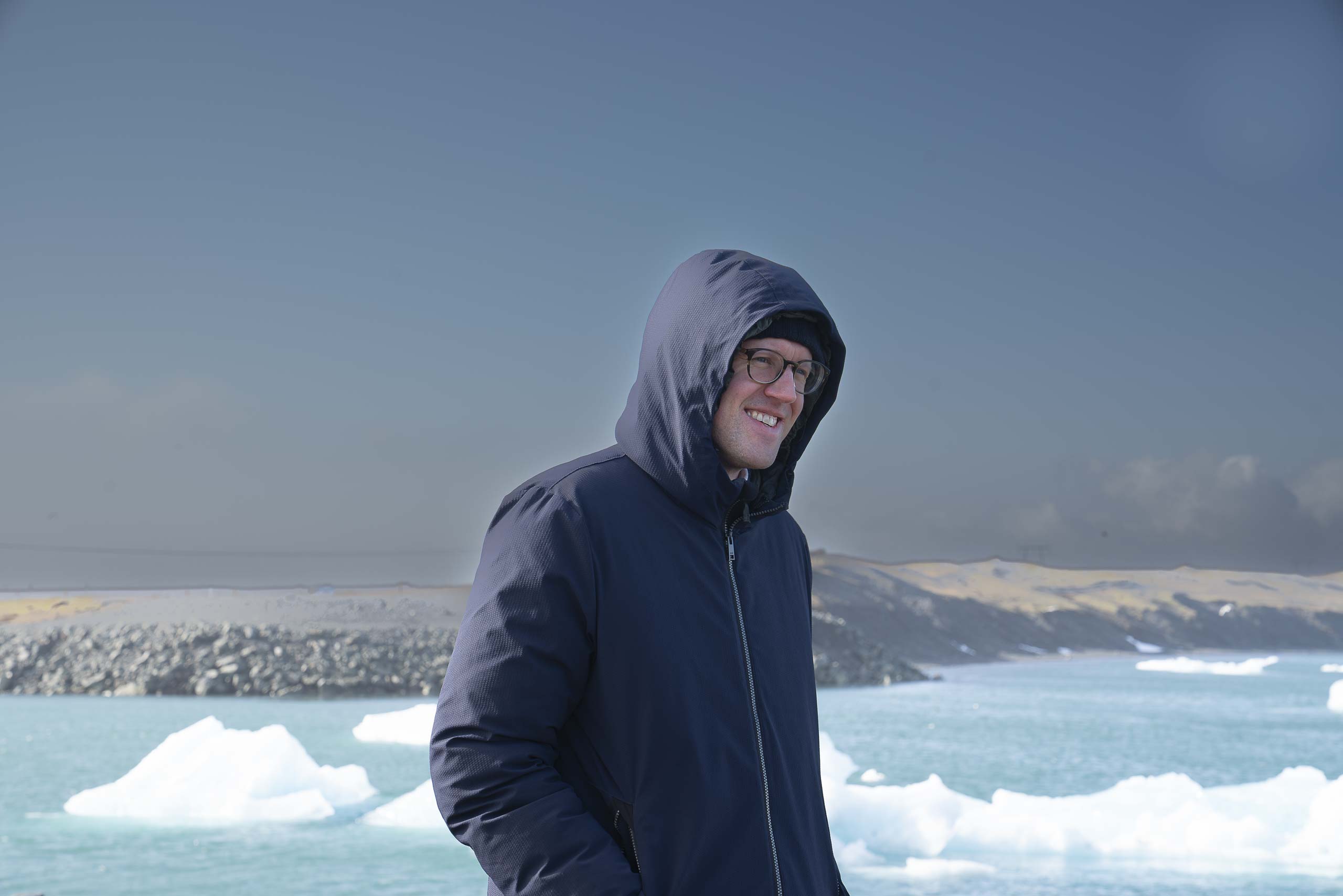
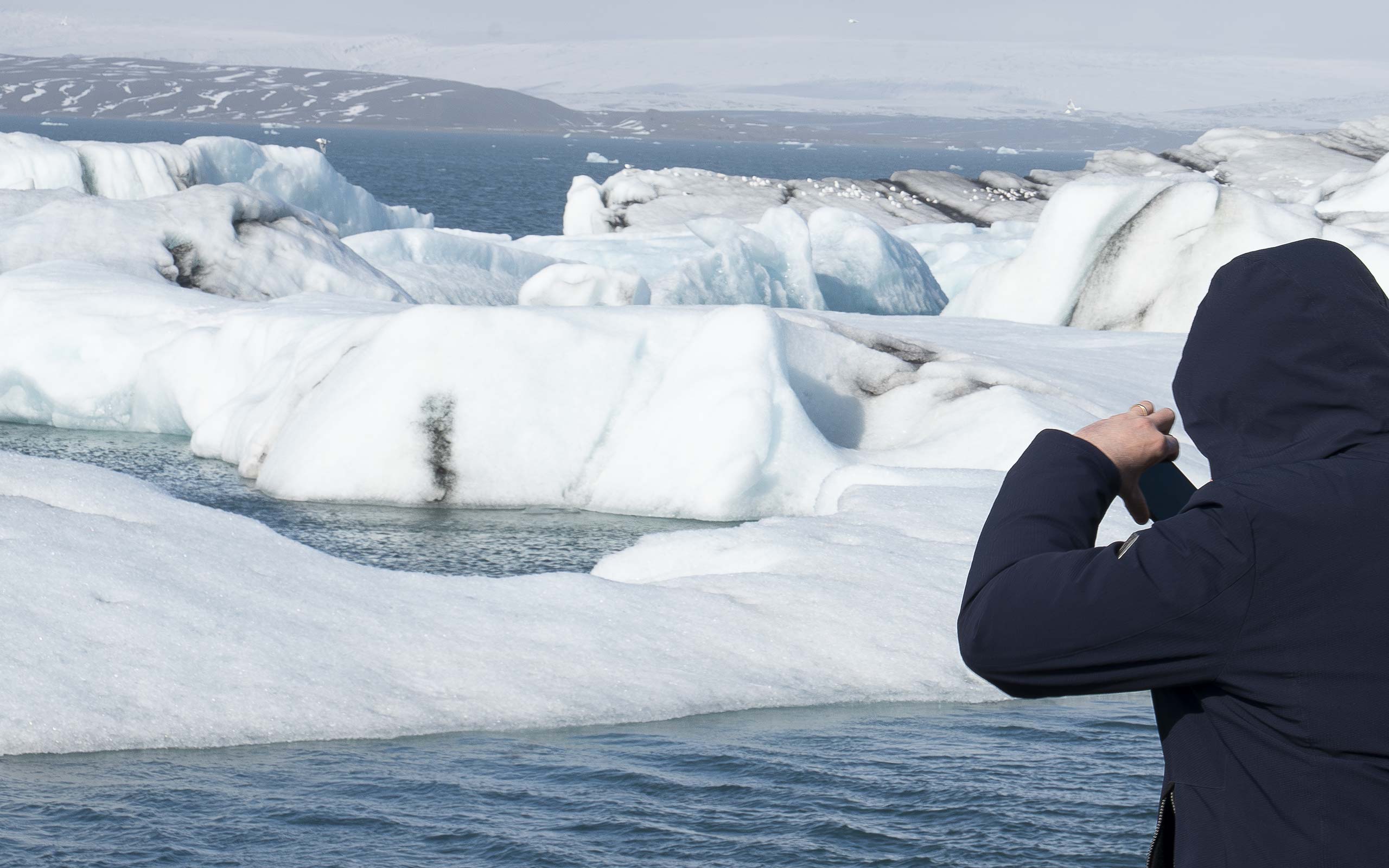
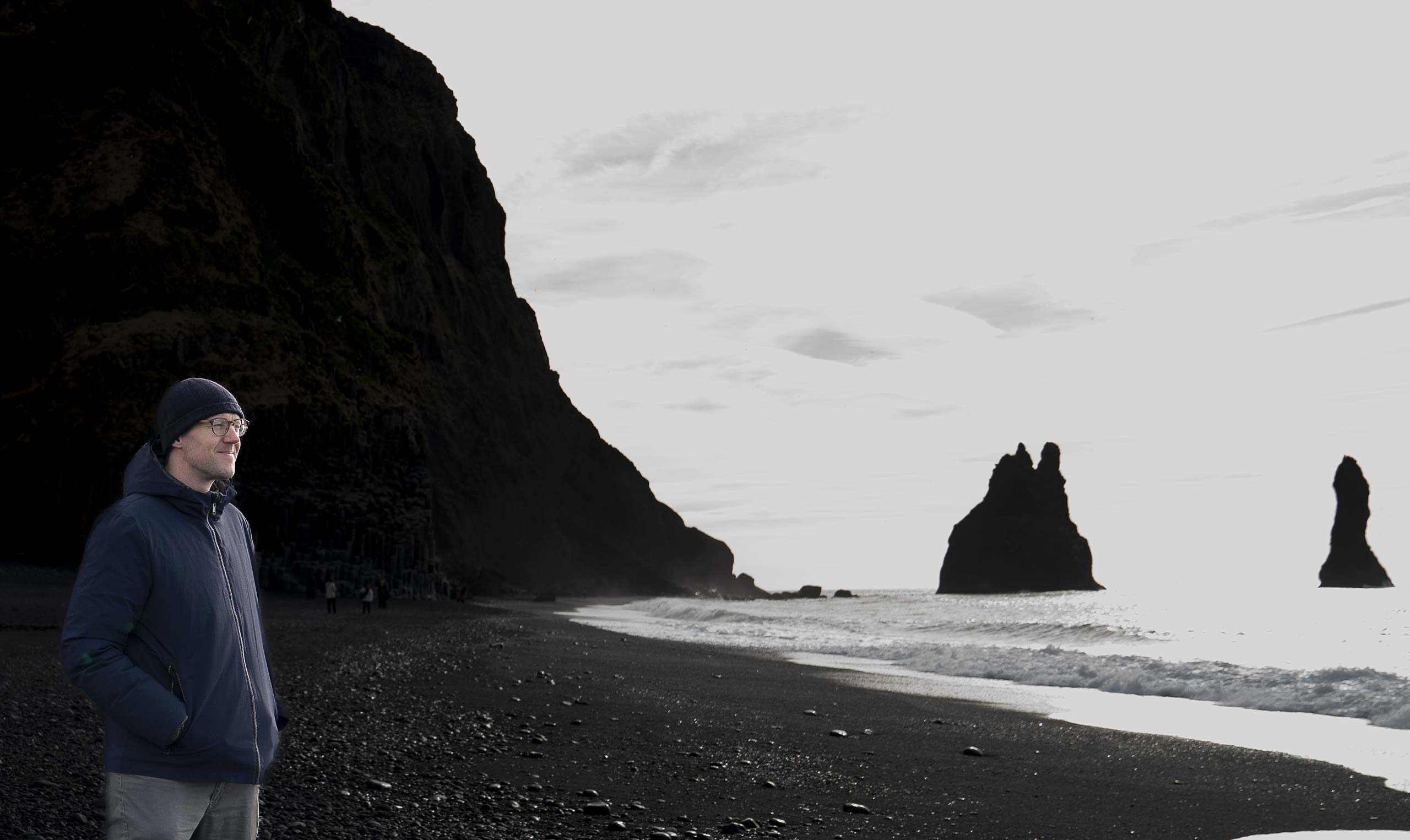
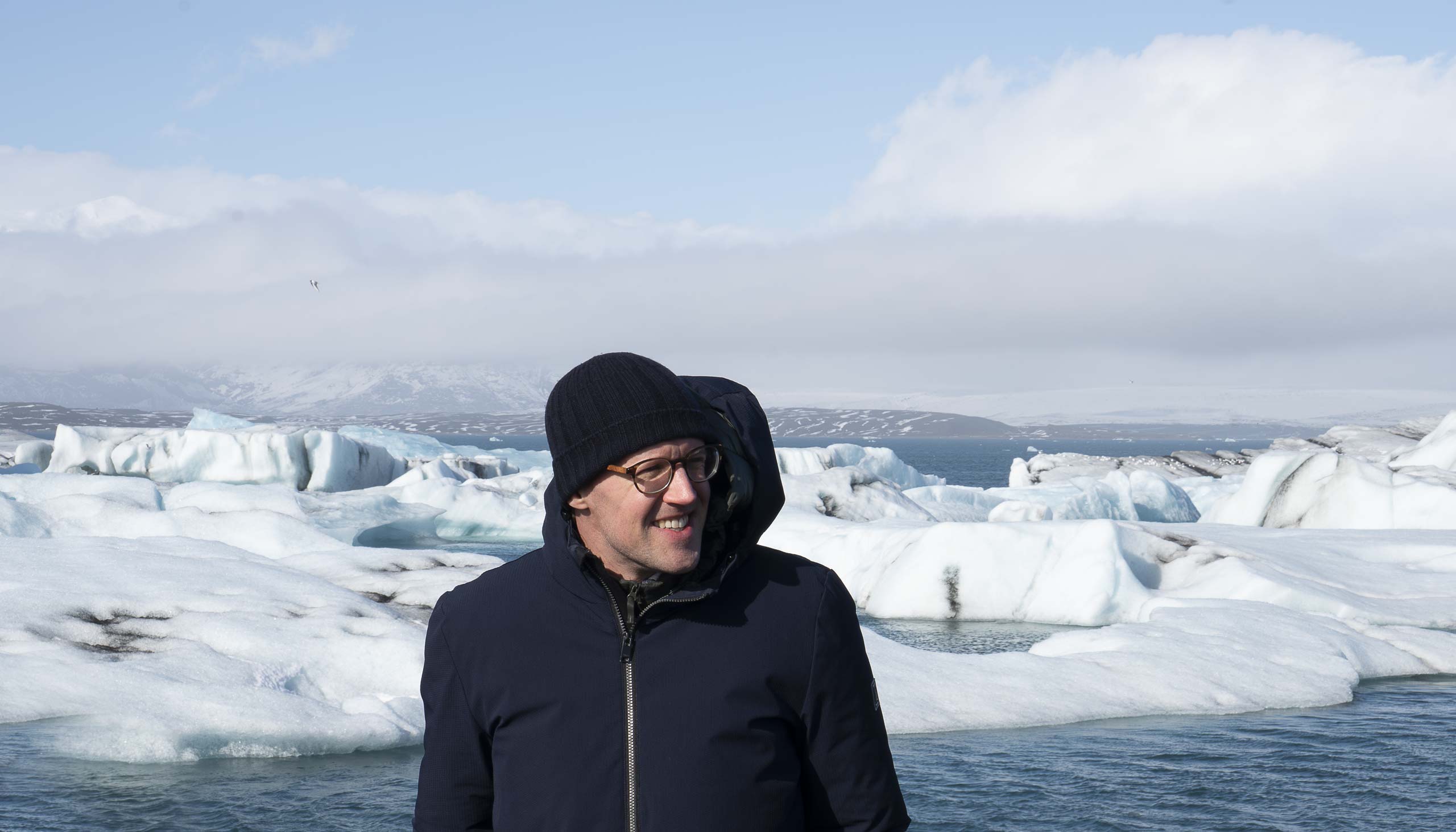
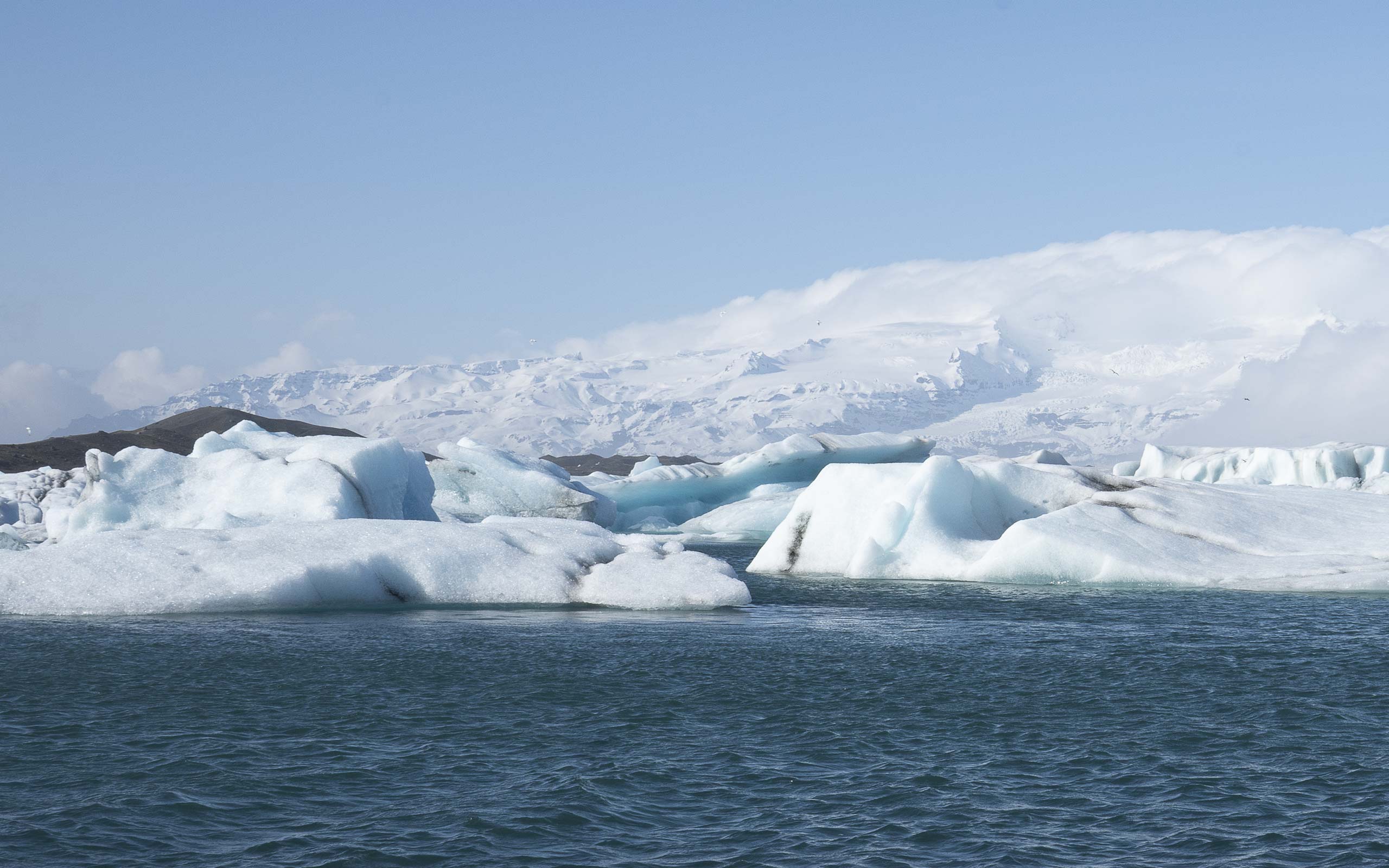
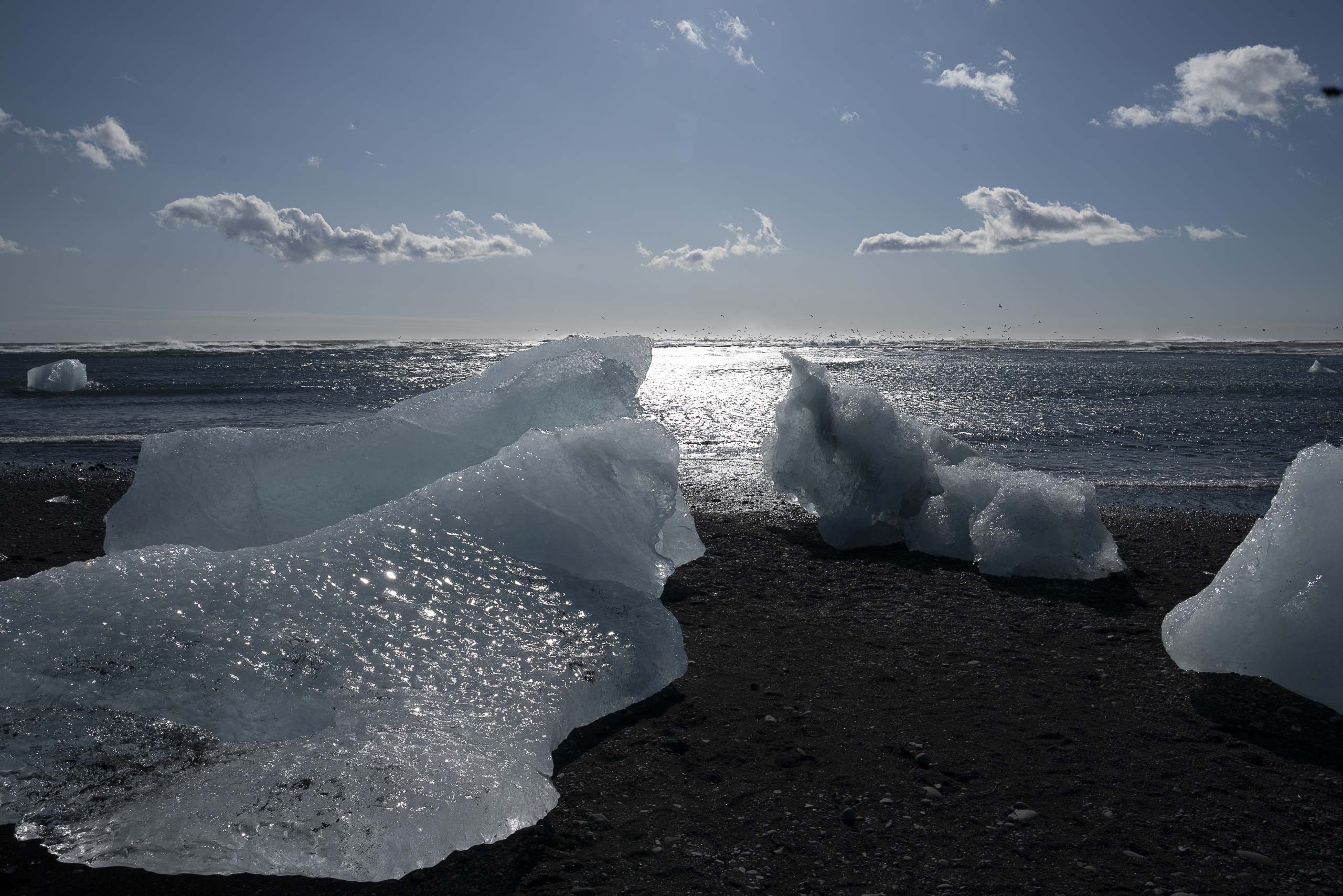
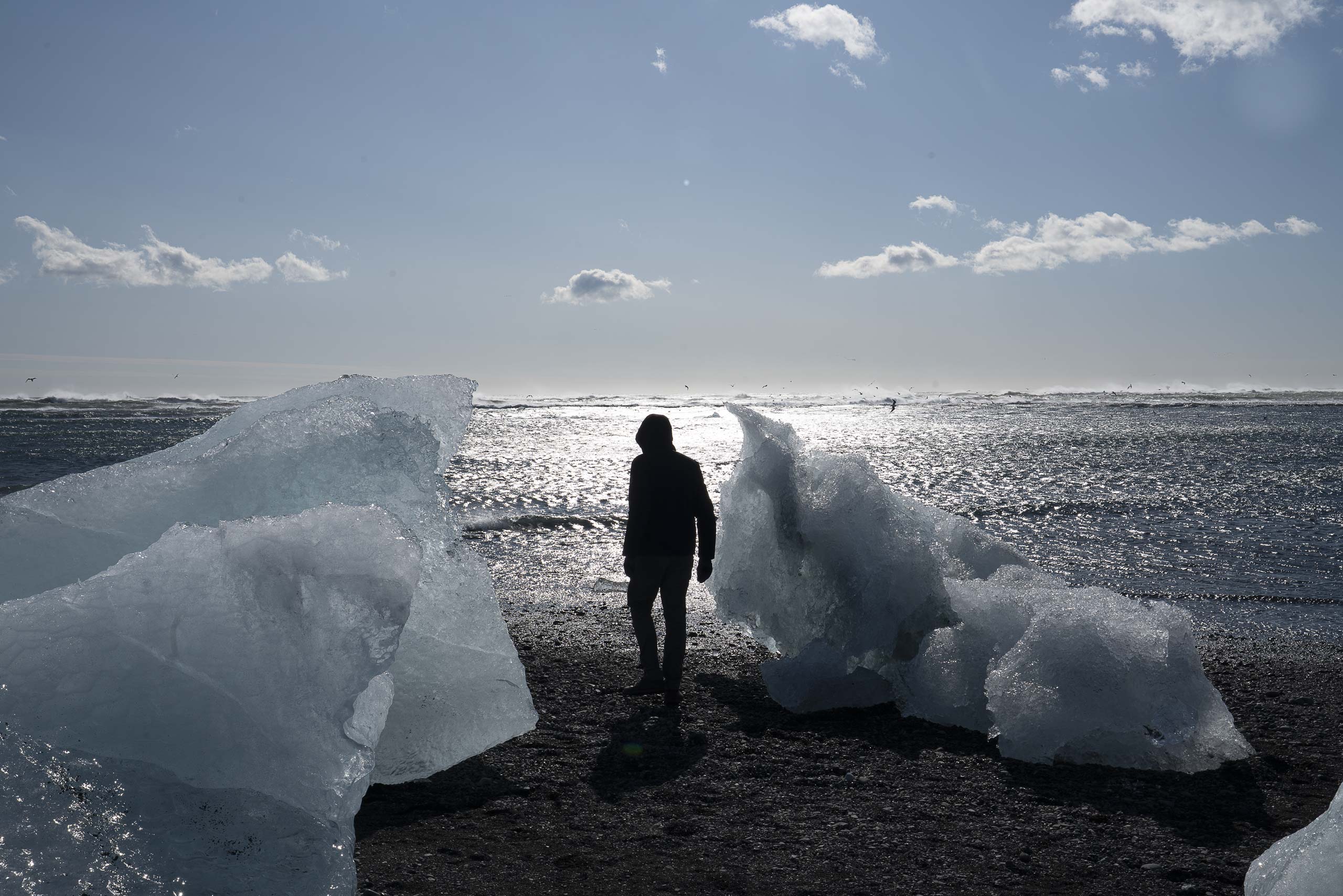
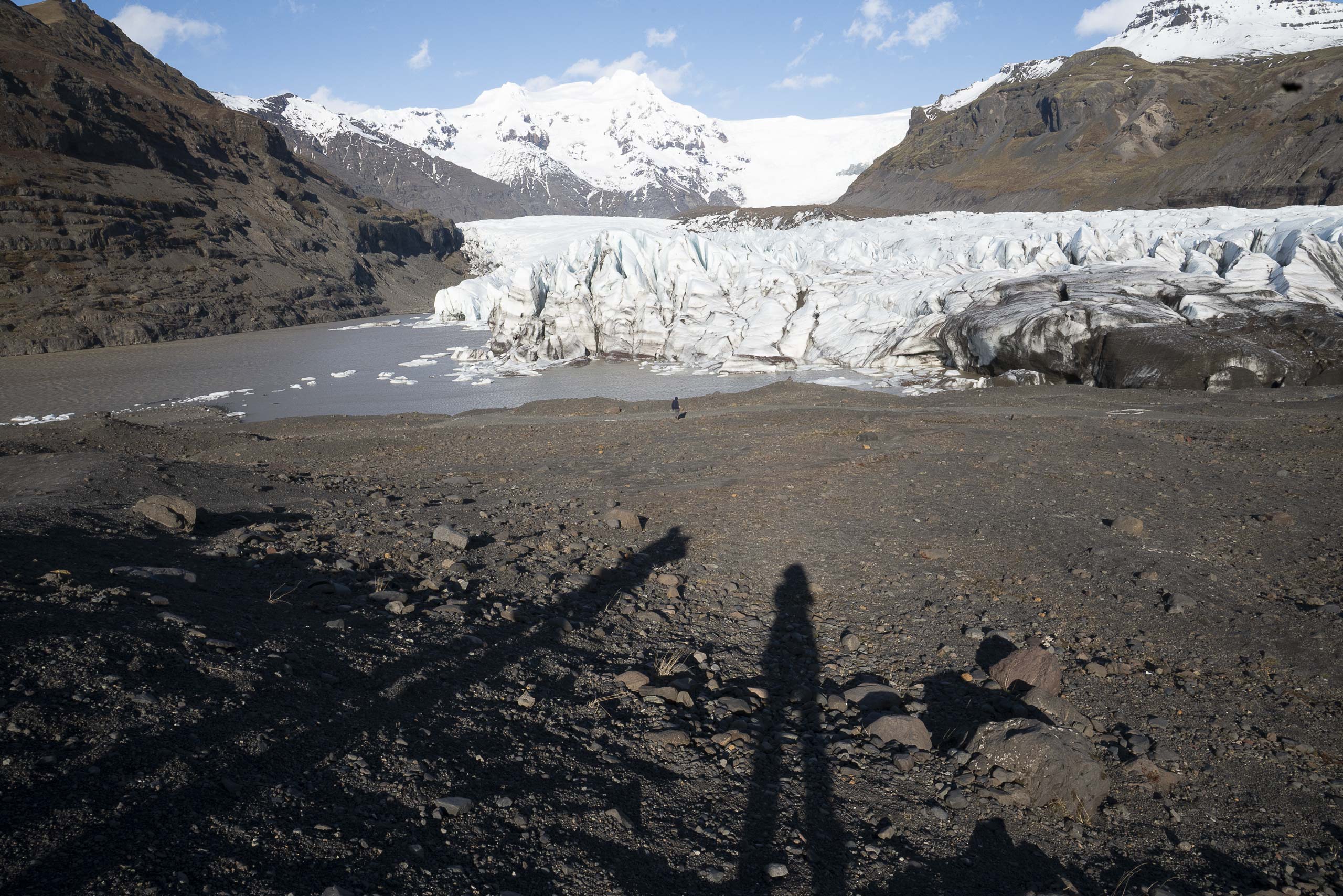
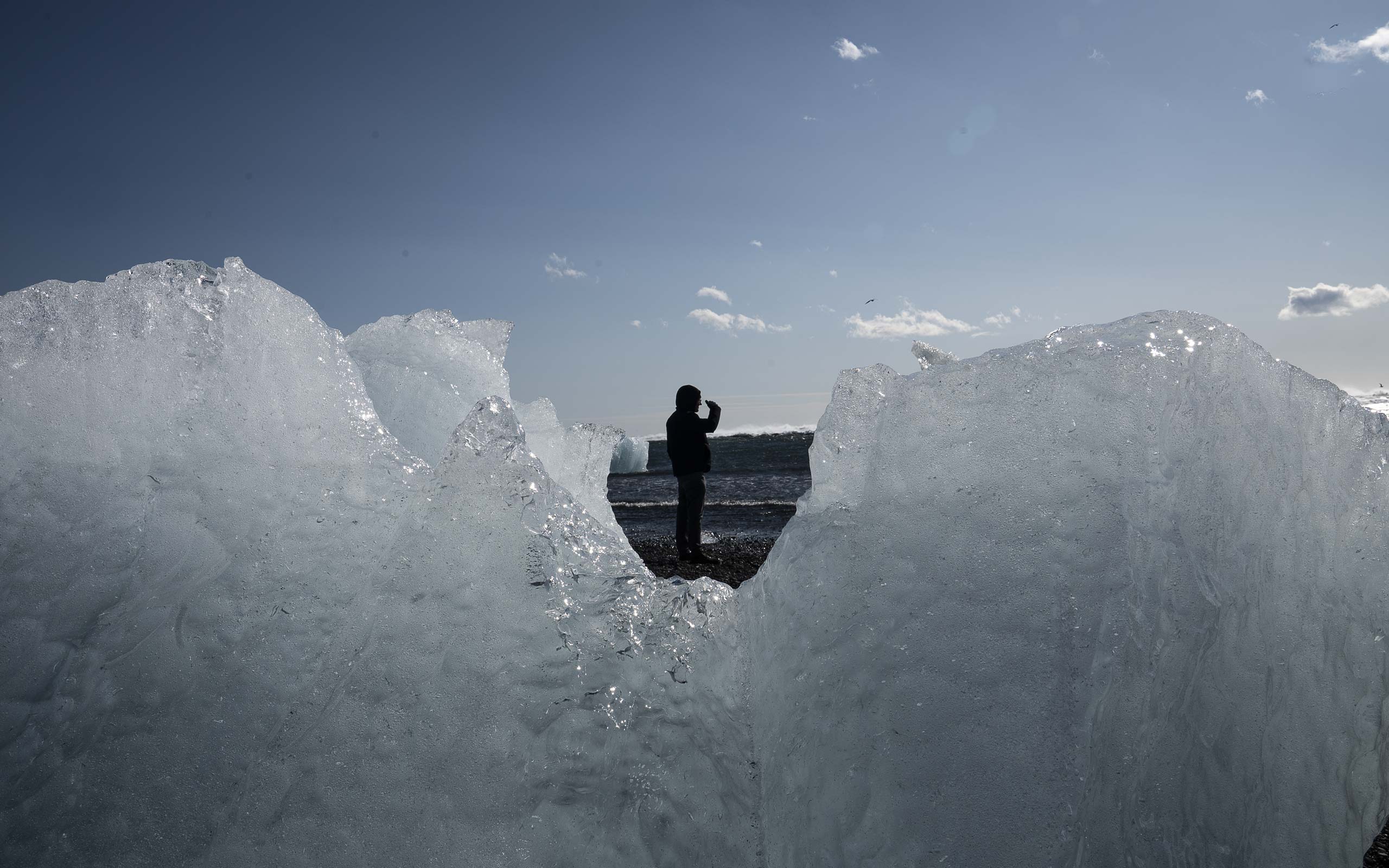
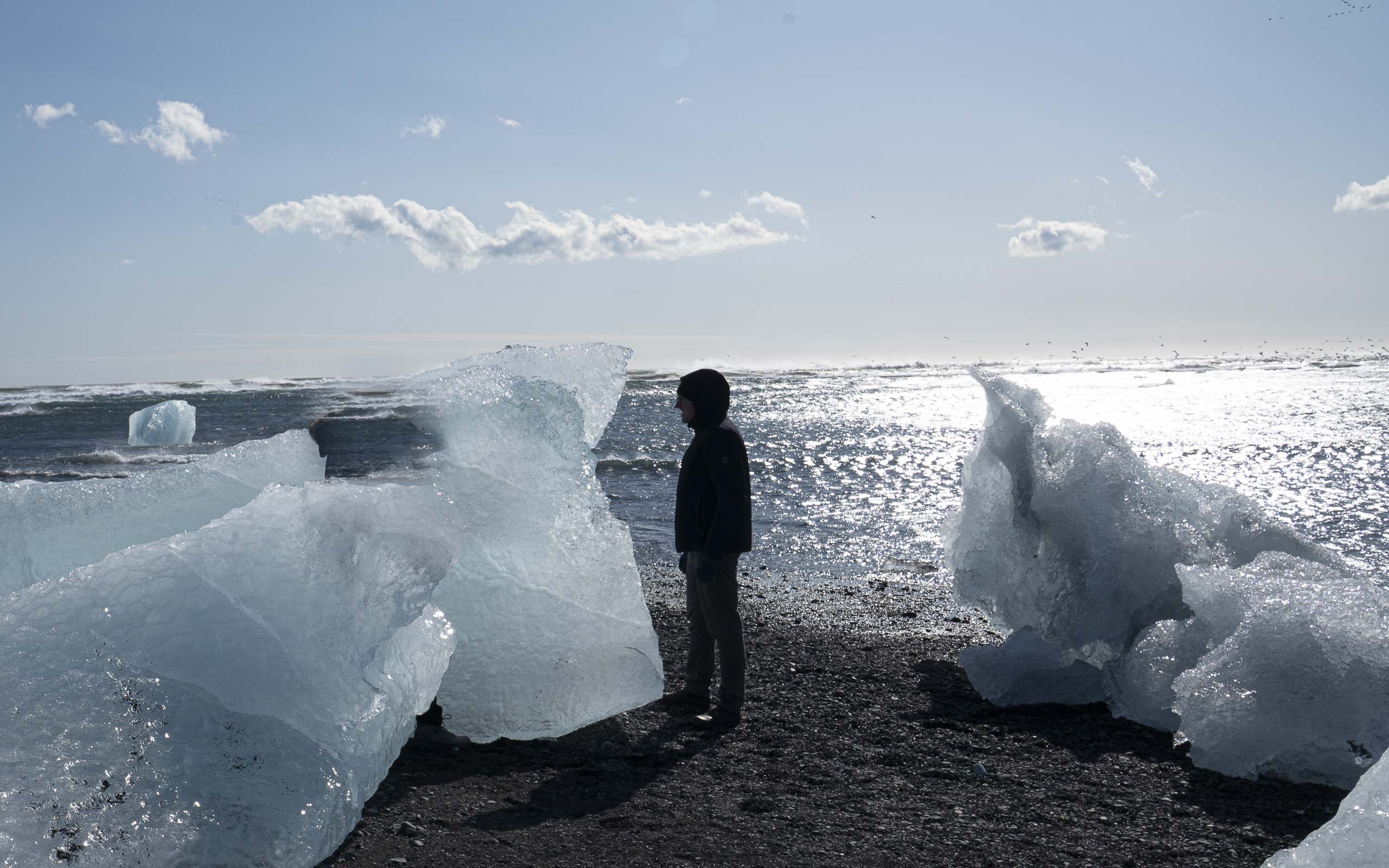
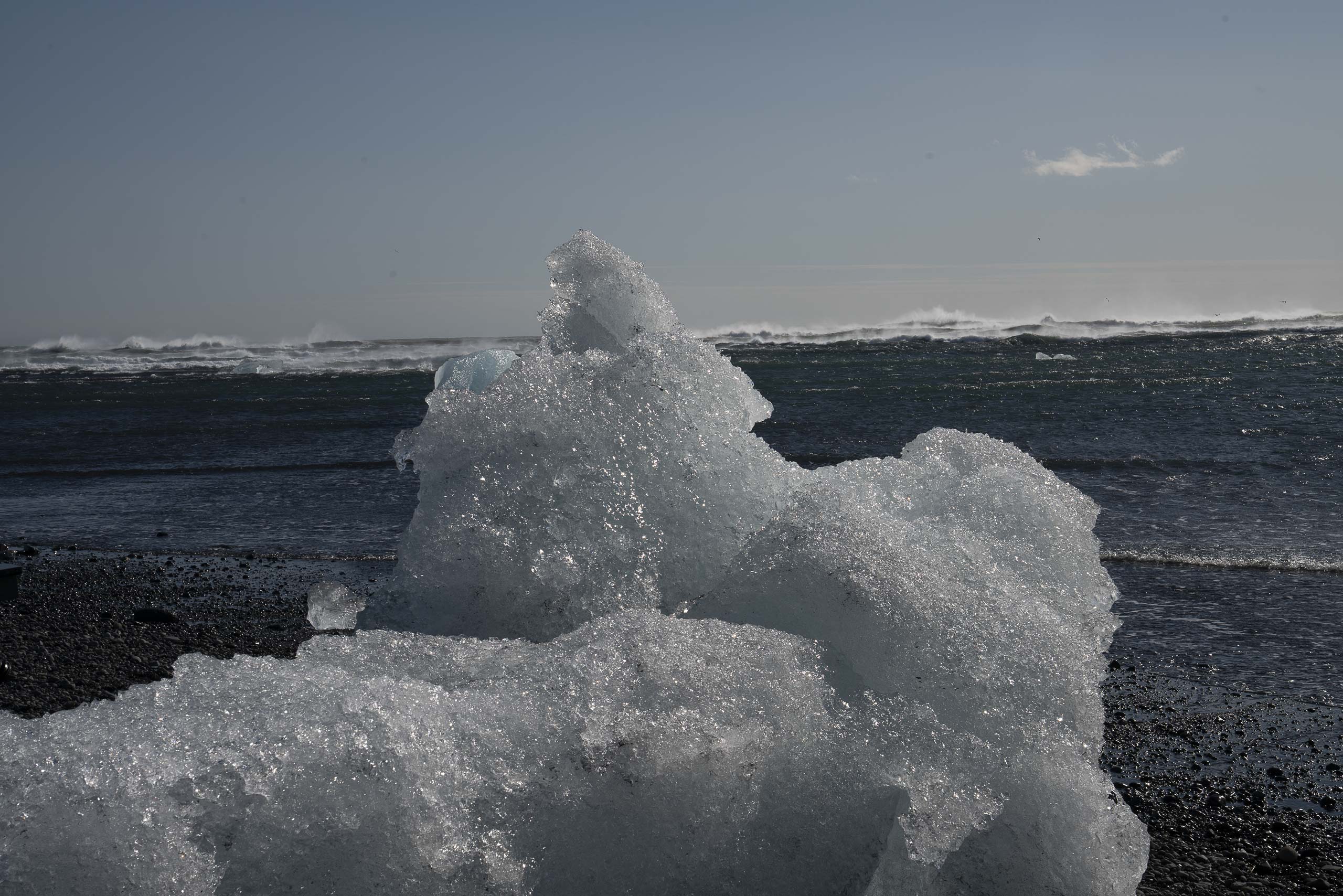
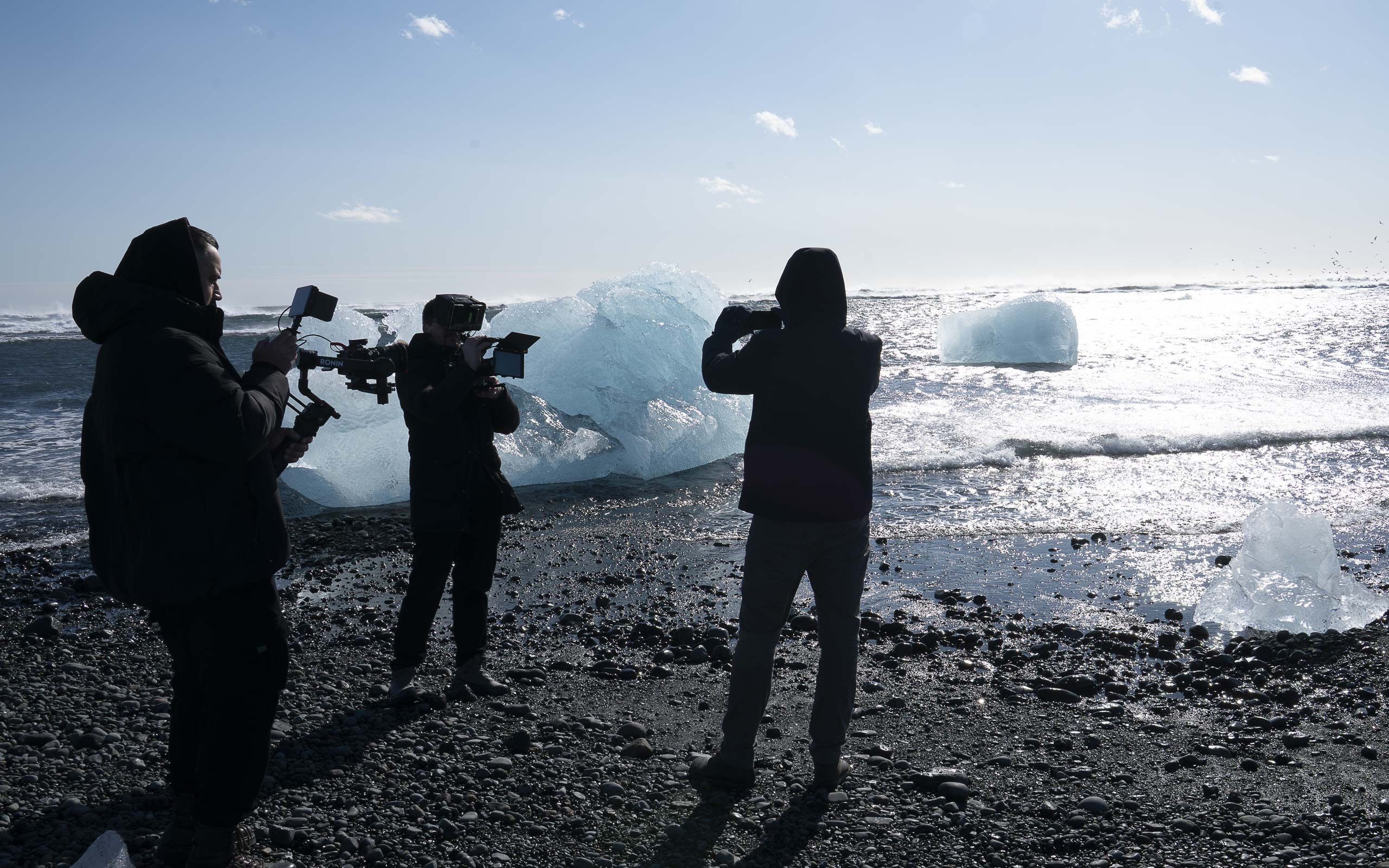
Obviously, we are here in a very cold place in Iceland. We’ve just tried to find a location that is somehow connected to your “Ice Cube Neutrino Observatory”.
You’re a physicist involved in many fascinating experiments and areas of research.
Who are you, Philipp?
I’m a scientist, and I work on some very special particles. We call them neutrinos. I try to learn everything there is to know about these particles. That’s basically my job – it’s what I do every day.
I’m also a father – I have a little daughter and a wife at home.
When you explain it like that, it sounds fairly normal, but researching neutrinos is actually very complex. Can you explain what you do, and what neutrinos are?
If you look around, everything is made of tiny particles. Most people have heard of atoms – they’re the smallest unit of matter that makes up everything around us. But when you look deeper inside an atom, you find even smaller “fundamental particles”, as we call them.
And it turns out, most of the particles in the universe aren’t the ones we see or feel. In fact, most are completely invisible. Neutrinos are a major part of this invisible world. They’re everywhere – surrounding us, constantly passing through us.
So you’re saying, while we sit here, neutrinos are flying through us?
Yes – they’re coming from above, below, and from all directions. They pass straight through us, through the entire planet, and out the other side.
They’re not just around us on Earth – they’re all over the universe.
Some of these neutrinos are thought to come from incredibly far away. We call them “Cosmic Messengers”. They travel billions of light-years to reach us. If we can detect them, we can learn something about the universe.
That’s what fascinates me about your research – it sounds amazing. You’re very enthusiastic. But why should we care about neutrinos? What’s the point for the rest of us?
That’s a good question – I think it has two sides. If you ask, “What practical use do they have?” then… not much, really.
But they offer us a deeper understanding of how the universe works. And if that question interests us as humans, then we need to study neutrinos.
You’re involved in a huge project in Antarctica. What exactly are you doing there?
The problem with neutrinos is that they’re incredibly hard to detect. As I mentioned, they just pass through everything without interacting.
So we have to go to extreme lengths to detect them. There are lab-based experiments for neutrinos, but they can only go so far in size. If detecting them is rare, your best chance is to make your detector bigger and bigger.
At some point, it won’t fit in a lab anymore. So you have to use nature itself. We detect neutrinos through their rare interactions, which produce what’s called “Cherenkov light” – a faint blue glow. But to see that, we need a huge volume of very clear material.
The South Pole, right in the middle of Antarctica, has a glacier nearly three kilometres thick. Deep within it, the ice is ultra-transparent.
It’s deep, dark, quiet, and clear – the perfect environment to detect these invisible particles.
What do you think helped you get there where you are?
I have to be determined and passionate. I need endurance, because sometimes you work on something for a year or longer only to find out it doesn’t work – or that someone else published first.
You experience many setbacks. I’m actually quite an impatient person, but in this profession, you need a lot of patience and persistence.
And courage – you’re devoting years of your life to something uncertain. That takes a lot of mental strength.
Our projects often run on 10-year timelines. So even though I’m not a patient person by nature, I have to be in this job.
I’m a very down-to-earth person. In my free time, I like to be at home with my family, go camping or cycling – that balances out the more extreme side of the job. Day to day, our work isn’t that extreme. It only becomes extreme when you’re at the South Pole.
Our collaboration has permanent staff at the South Pole all year round. Next season, we’re doing a major installation of new detector hardware – over 10,000 new sensors in a smaller area. This upgrade focuses on detecting lower-energy neutrinos, which also lets us do some really interesting science.
But 99% of the time, we’re in the office, analysing data – it’s more ordinary than it appears.
“Our results help us understand the universe.” Who else can say that? It’s incredible.
Do you have a role model or a life-changing moment that got you into this?
I never had one big “aha” moment. I’ve always been fascinated by how things work. Even as a kid, I liked taking things apart to see what was inside. Now I do that on an atomic level – and even further.
It’s really about trying to understand how the universe works – that’s what drives me.
Does nature influence your life in general?
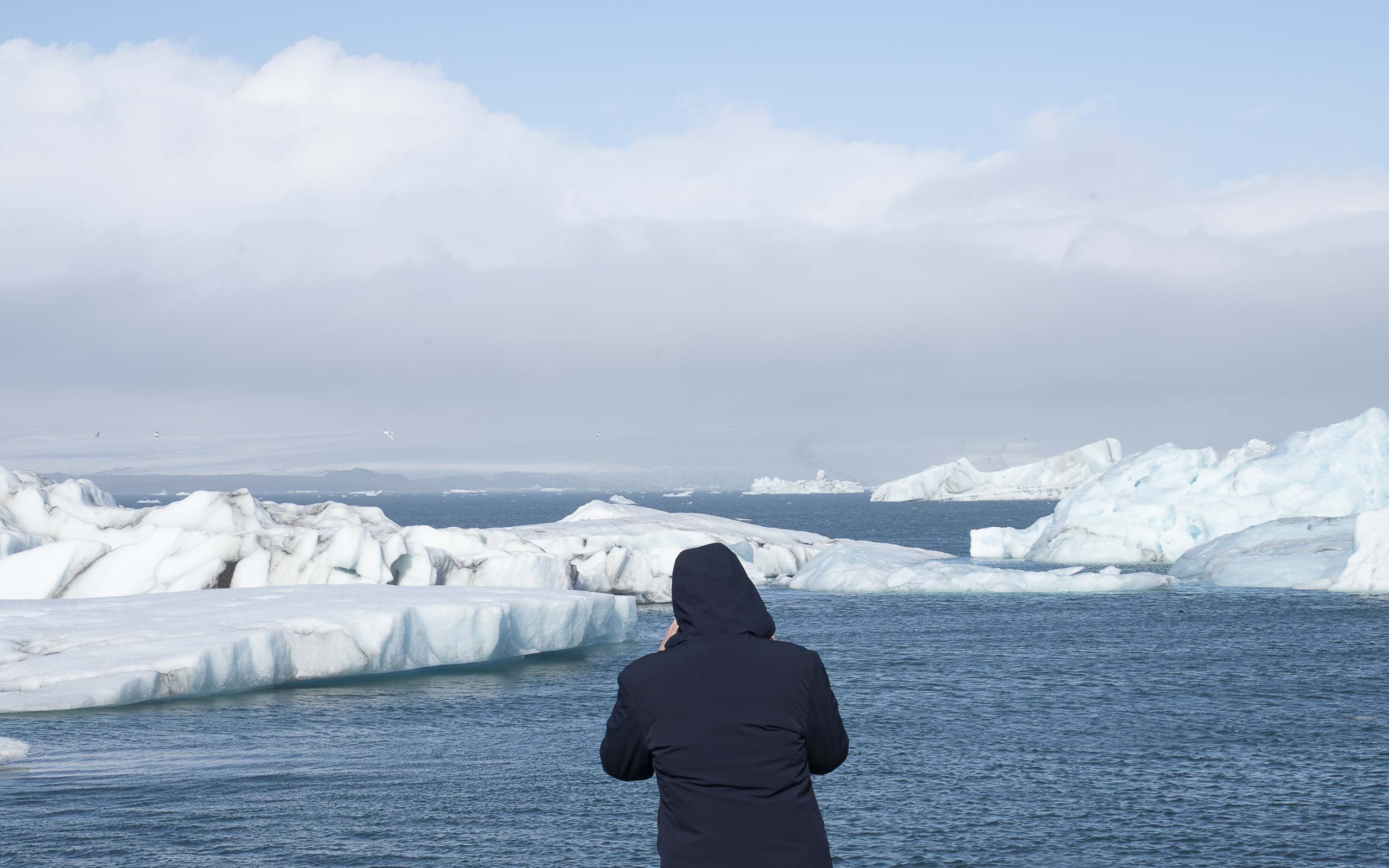
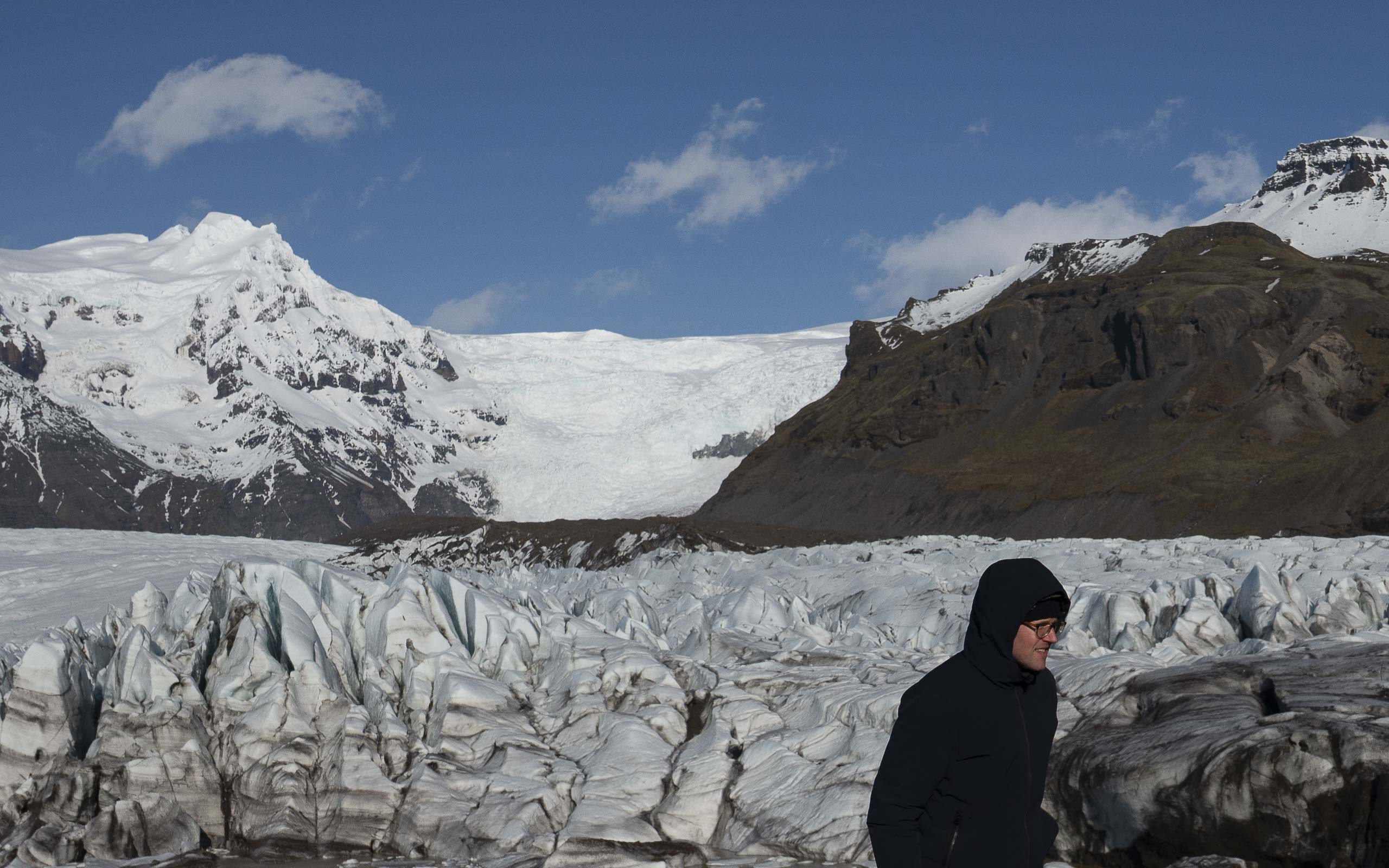
Definitely. I don’t know if it’s directly linked to being a scientist, but research makes you appreciate the beauty of nature even more. Being here and seeing these icebergs is genuinely inspiring.
You’re also a university lecturer and were even named best mentor. If someone asks for advice, what do you tell them?
It’s a very personal decision whether to go into science. Many people are interested, but it might not turn out to be the right path for them.
It’s often sad to see very talented people leave the field. Usually it comes down to job security – science careers involve long periods of uncertainty before getting a permanent position, if at all.
You can earn more in industry, and the path is more stable. But to be a scientist, you need patience, persistence, passion – and you need to be in it for the long haul.
In our field, the hierarchy is very flat – and that’s important. In rigid hierarchies, people stop questioning ideas. But young scientists need to be heard – they might be smarter than you! In physics, it’s common to tell a professor, “I think you’re wrong,” and they’ll actually listen.
That’s why it’s great that those who do research also teach – you see things from a fresh angle, and you’re constantly learning.
Teaching is vital. Even if students don’t stay in science, the education they receive is still valuable. Spending a few years learning about the natural world can be life-shaping, even if they move on to something else.
Do you have a vision of a better world – a utopia?
Personally, I value freedom a lot – and I think others should be free too, whatever that means to them. In a perfect world, no one would be told what to do or what to believe. No one would decide who’s right or wrong – we’d just coexist peacefully.
It’s probably not possible, but it’s a beautiful idea.
«Neutrinos are a major part of this invisible world. They’re everywhere – surrounding us, constantly passing through us. They’re not just around us on Earth – they’re all over the universe. Some of these neutrinos are thought to come from incredibly far away. We call them ‹Cosmic Messengers›. They travel billions of light-years to reach us. If we can detect them, we can learn something about the universe.»